Carbon monoxide poisoning
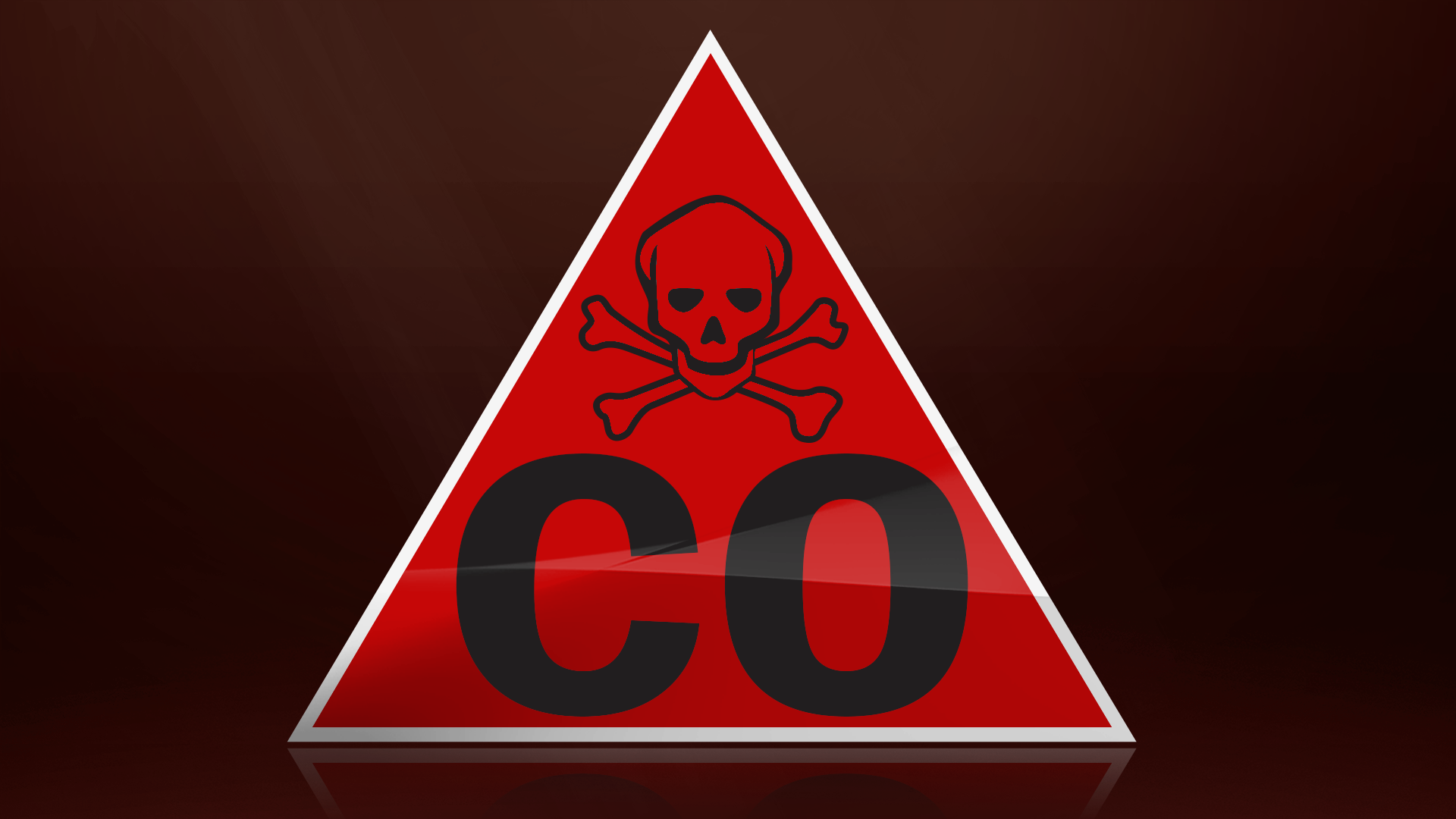
Carbon monoxide poisoning is one of the conditions of a person that leads to a fatal outcome. As a rule, it occurs as a result of faulty operation of the stove heating, when a person is in the center of a fire, in a closed car with the engine turned on. Carbon monoxide has absolutely no smell, carbon monoxide poisoning can occur very imperceptibly, and it is formed wherever the gorenje process occurs. With a high content of carbon monoxide in the inhaled air, a person feels a headache and suffocation. With an increase in the concentration of carbon monoxide, paralysis and loss of consciousness occur (death occurs after 30 minutes).
The main reason for the formation of carbon monoxide is the lack of oxygen in the gorenje zone.
The mechanism of action of carbon monoxide on a person is that it gets into the blood, binds hemoglobin cells. As a result, hemoglobin loses its ability to carry oxygen. And the longer a person breathes carbon monoxide, the less functional hemoglobin remains in his blood, and the less oxygen the body receives. A person begins to suffocate, a headache appears, consciousness is confused.
And if you do not get out into the fresh air in time (or do not take out a person who has already lost consciousness into the fresh air), then a fatal outcome is not excluded. Symptoms of carbon monoxide poisoning: muscle weakness, dizziness, nausea, tinnitus. Coma and death can occur from paralysis of the respiratory center. The heart may contract for some time after stopping breathing. There have been cases of people dying from the consequences of poisoning even 2-3 weeks after the poisoning event.
The most common sources are gas and oil stoves, wood-burning stoves, gas appliances, water heaters and engines that emit exhaust gases. Cracks in stoves, a clogged chimney, blocked pipes can lead to the fact that carbon monoxide reaches residential premises. Insufficient access of fresh air to the stove can contribute to the accumulation of carbon monoxide in the house.
Accidents as a result of carbon monoxide poisoning can be prevented: eliminate the intake of carbon monoxide; take the victim out into fresh air; if the victim is conscious, it is necessary to lay him down, provide rest and continuous access of fresh air (fan with a newspaper, turn on a fan or air conditioner); if the victim is unconscious, it is necessary to immediately begin closed heart massage and artificial respiration before the ambulance arrives or before regaining consciousness. Remember that during the removal of the victim from a room where there is a dangerous concentration of carbon monoxide, first of all, you need to protect yourself so as not to get poisoned too. To do this, you need to act quickly and breathe through a handkerchief or gauze.
Press servise оf Emergensy Situatiions Departament of Almaty region