COVID-19: to reduce the risk of infection to a minimum
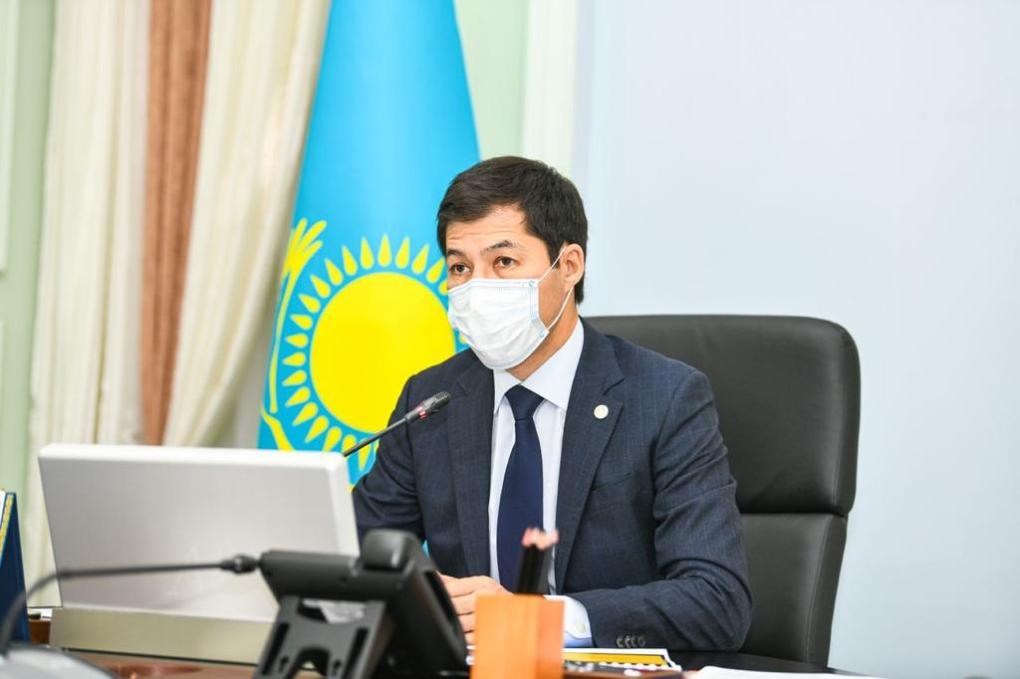
The readiness of medical facilities for a new wave of coronavirus spread, the risk of importing infection to the WKO from the border regions of Russia, as well as the availability of a sufficient number of medical masks at affordable prices in pharmacies in the city – these issues were discussed at a meeting of the COVID-19 headquarters.
At a meeting of the operational headquarters, regional akim Gali Iskaliev asked the heads of relevant departments to report on the operational situation in the fight against coronavirus in the West Kazakhstan region.
– Experts predicted that the second wave of the COVID-19 pandemic will be recorded in the fall. And this forecast is coming true, – said the Governor of the region. – In developed countries, strict quarantine measures are already being taken to contain the spread of coronavirus infection. In our neighboring regions of Russia, there has been an increase in the incidence of diseases among the population, which causes us some concerns. The fact is that in early spring, the first cases of coronavirus infection were recorded in Kazakhstanis who arrived from Russia and from the Tengiz field in Atyrau region. And today we need to discuss how to prevent an outbreak of infection in the region, what measures to take to minimize the risks of infection of the population.
The head of the regional health Department Bolatbek Kayupov reminded the audience that the first cases of COVID-19 were registered in the WKO on March 29, 2020 in citizens who worked in Russia, as well as in transit drivers – citizens of Uzbekistan. Almost from April to June, all cases of coronavirus infection were imported, since June, doctors began to record the facts of a mass disease among the population of the region.
–Mass infection of the population of the West Kazakhstan region became possible and due to the fact that the quarantine was lifted, a number of restrictions began to relax, and people began to go out, walk in droves in shops, parks, stopped wearing protective masks in public transport,-Bolatbek Kayupov explained. – Moreover, despite the ban, the Urals began to hold banquets, arrange Toi.
From March to September 2020, 109 West Kazakhstan citizens (70% of them elderly) died from COVID-19 from pneumonia, which is a complication of the virus – 214 people.
Now, as Bolatbek Kayupov noted, the medical community of the West Kazakhstan region is preparing for the second wave of the coronavirus pandemic, and they are trying to take into account all the problematic moments from the past experience.
At the end of September, according to the head of the Department of quality control of goods and services Mukhamgali Aryspaev, 111 West Kazakhstan citizens were infected with coronavirus, the largest number of cases – 33 people – is in Uralsk, 11 more patients were identified in the Terektinsky district, 9-in the Bayterek district.
– Now our colleagues sanepidemiologists record an increase in the incidence of COVID-19 in five border regions of Russia, – said M. Aryspaev. – In the Samara region, 114 cases were detected per day, in the Orenburg region – 115, in the Saratov region – 128, and in the Volgograd region – 129 cases of coronavirus infection. The epidemiological situation raises concerns.
The chief sanitary doctor of the Republic of Kazakhstan has already introduced restrictive measures when crossing the border by persons from other States: from October 6, Kazakhstanis will not be able to travel outside the state, citizens who arrived in the country from outside will be quarantined for 2 days. The chief sanitary epidemiologist of the region noted that in the near future all checkpoints on the border with Russia will be taken under special control of sanitary epidemiologists in order to avoid cases of entry into the territory of the WKO of sick people with coronavirus infection.
Head of the RSU "Department of border service of the national security Committee of the Republic of Kazakhstan for the West Kazakhstan region" Bauyrzhan Rysbekov explained that the region has 9 checkpoints on the border with the regions of the Russian Federation. On average, about 80,000 people and 55,000 vehicles passed through the checkpoints in September.
– All measures prescribed by the chief sanitary doctor are strictly observed at checkpoints, including mask mode, thermometry, and social distance. But at the same time, there is a high threat of import and spread of coronavirus, " B. Rysbekov said. – The main carriers of infection can be drivers of cargo vehicles that transit from Europe through Kazakhstan and Russia. In addition, the number of trips of residents of our region to Samara for treatment has increased, and they will return home later. Moreover, some of our citizens go to tricks to cross the border, and forge a driver's license. We have identified six such facts, these people were detained and handed over to the police.
A separate issue of the meeting was providing residents of the WKO with affordable personal protective equipment. First Deputy Governor of the region Mukhtar Mankeev reported that the wholesale supplier of medical disposable masks – JSC "Talap" – sells them at 40 tenge per piece. There is no shortage of masks in the area.
– The fact that there are enough personal protective equipment at an affordable price in the region is already good, – Gali Iskaliev expressed approval of the information received. – Now, to reduce the risk of mass infection of the population with coronavirus infection, it is necessary to strengthen control over the stay of people in public transport – passengers should only be allowed on buses in masks. It is necessary to review the schedules of heat supply to apartment buildings – cold weather is coming, it is better to give heat a week earlier than to wait for a mass disease of the population with viral infections. I once again want to appeal to the residents of the region through the media: a dangerous virus can be defeated by joint efforts, observing safety and prevention measures. The experience of not only our region, but the entire world community has already shown that only self-defense can protect people from infection.
Lyudmila Kalashnikova,
zhaikpress.kz