Protecting children's rights and ensuring the safety of minors
Protecting children's rights and ensuring the safety of minors
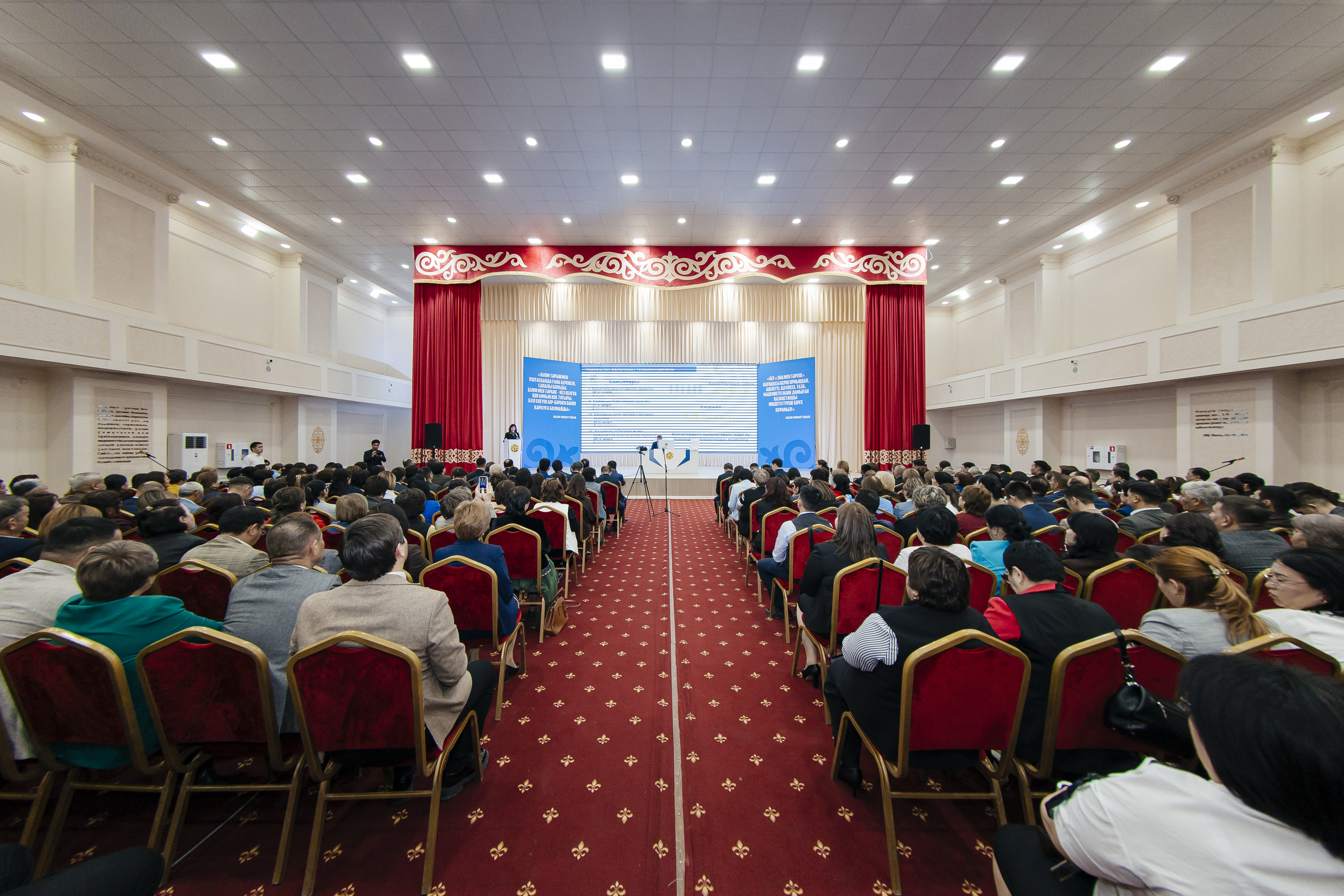
On April 13, 2026, a regional offsite meeting was held in Atyrau with the participation of the Minister of Education of the Republic of Kazakhstan, Zhuldyz Suleimenova. Participants—the regional akimat, heads of law enforcement agencies, and representatives of education and civil society—discussed measures to prevent juvenile delinquency and strengthen security in educational institutions.
Akim of Atyrau Region, Serik Shapkenov, opened the meeting, emphasizing that protecting children's rights and ensuring their safety is not a narrow departmental task, but a priority for all of society. He welcomed the Minister of Education and noted the importance of the offsite format for addressing pressing issues.
The Minister of Education outlined the systemic measures taken at the state level. It is based on the "Kazakstan Balalary" concept, which covers four areas: child safety, education, health, family, and social protection. The concept includes 158 specific measures with a total funding of 1.3 trillion tenge over five years. The 111 Unified Contact Center, whose functions are enshrined in law, plays a key role in the early identification and support of children in difficult situations. QR codes for the 111 line are located in all schools and colleges across the country for real-time contact with a psychologist.
125,000 calls to the 111 line in 2025, 3,000 of which were from the Atyrau Region
11,000+ consultations at regional psychological support centers in the first quarter of 2026
23 diagnostic methods in the "Help for the Educational Psychologist" manual
A monitoring of 95 schools in the region (February 16-19, 2026) revealed a number of violations. Specifically, a number of schools failed to comply with video recording retention periods, anti-bullying teams were absent, and the "Adal Azamat" program was inadequately implemented. There are 15.5 vacancies at the Psychological Support Center, and staff turnover remains high.
"Every one of the 275,000 children in the Atyrau region deserves a safe and supportive environment. This is not just a declaration—it's the concrete work of every teacher, psychologist, and administrator."
The minister proposed creating a permanent interdepartmental working group with law enforcement agencies; expanding the "Law and Order" project to all 25 specialized institutions in the region; and establishing parental order committees in each school.
Over the past three years, 32 educational facilities have been commissioned in the region. An additional 22 facilities are under construction. Funding for the sector from 2023 to 2026 increased by 55.4% to 255.6 billion tenge.
In 2025, the number of criminal offenses among minors in the region was 127 (compared to 67 in 2024). At the same time, in the first three months of 2026, the indicator decreased by 41% compared to the same period last year, from 31 to 18 incidents.
284,000 minors live in the Atyrau Region
87% of children are enrolled in supplementary education (one child per activity group principle)
To systematically address these issues, a Regional Psychological Support Center (60 full-time positions) was opened. An automated HR+ platform was launched, with an individual plan developed for each at-risk child. To stabilize the center's staff, a 30% salary increase is planned, and seven service apartments have been provided.
A pilot project to implement artificial intelligence systems based on video surveillance has been established in schools with the highest number of violations. Additional juvenile affairs officers and prosecutors have been assigned to 11 schools and 9 colleges.
The Head of the Juvenile Police Department presented approaches to preventing juvenile delinquency. Particular emphasis was placed on the early identification of children in difficult life situations, interaction with educational institutions and the parent community, and individual preventive work with minors on the watch list.
Juvenile police have increased their presence at educational institutions in the region: juvenile inspectors are on duty on school grounds from 8:00 AM to 8:00 PM. Joint raids with parent patrols have identified approximately 100 students placed on the watch list.
The regional prosecutor's office presented the results of its oversight activities in the area of protecting the rights of minors. As part of the "Law and Order" concept, mentors from among current and veteran law enforcement officers have been assigned to 25 educational institutions.
The prosecutor's office has initiated inspections of compliance with laws on crime prevention in the educational environment. According to her submissions, violations related to improper storage of video recordings, the lack of anti-bullying structures, and the failure to comply with safety requirements at several schools in the region were rectified.
The veteran educator and chair of the regional Mothers' Council expressed the position of the parent and teacher community.
She emphasized the key role of the family in raising children and noted that the "Father's Patrol" initiative, the "Urpagynmen Myn Zhasa" project, and the activities of the "Mothers' Council" should become ongoing practices rather than one-off events.
Particular attention was paid to the need to involve fathers in school life, strengthen preventative work in the evenings and on weekends, and regularly hold parent-teacher meetings with psychologists and law enforcement representatives.
Summing up, Akim Serik Shapkenov instructed all agencies to continue systematic and coordinated interagency work in all areas identified during the meeting. The Akimat expressed its readiness to provide the necessary resources and organizational support for the implementation of the decisions made.
Following the meeting, it was noted that despite a significant increase in education funding, systemic problems remain. Key among these are shortcomings in public procurement, leading to the use of untrained contractors, and the ineffectiveness of the current school security system. Instructions have been issued to tighten requirements for contractors and implement a new security model.
The need to restore the balance of responsibility is particularly emphasized: strengthening parents' legal liability for the behavior of minors while simultaneously protecting the status and role of teachers.
Implementation of these decisions is aimed at improving the quality of education, safety, and educational work.