Serik Shapkenov toured fish farm development in Makhambet District
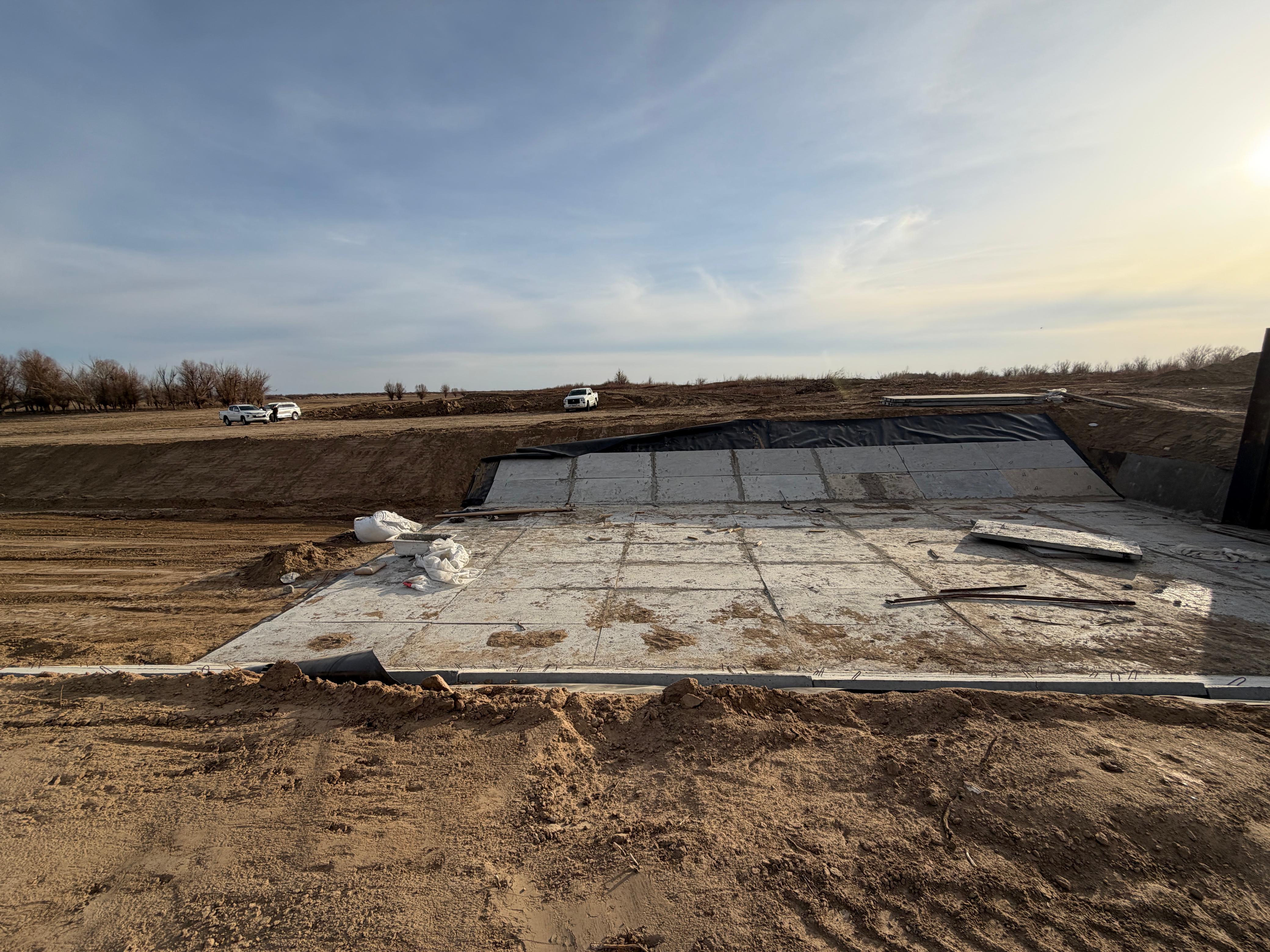
Akim of Atyrau Region Serik Shapkenov toured fish farms in the Makhambet District.
During the tour, the head of the region visited several facilities where aquaculture projects are being implemented. He noted that fish farming is a priority for agricultural development in the Atyrau Region. This is important for ensuring food security, creating new jobs, and supporting entrepreneurship in rural areas.
The following farms were visited during the tour:
— Dossan Rakhmetov's farm (Akzhayik rural district). The facility is currently under construction. Ponds and an indoor pool have already been installed, and they plan to raise up to 40 tons of fish per year.
— Nurlan Dauletkaliyev's farm (Akzhayik rural district). Preparations are underway for launch: paperwork is being completed, and the necessary equipment and infrastructure have been installed. Launch is planned for spring 2026, after which carp stocking and farming will begin. The planned capacity is up to 25 tons per year.
— Parasat and Partners Farm (Yesbol Rural District). This is a larger project covering 50 hectares. Work is currently underway to create ponds and infrastructure. After launch in 2026, they plan to produce up to 100 tons of fish annually.
— Zhumagaliyeva N.M. farm (Akzhaiyk Village). The farm has been commissioned for fish farming and is already operating. The company has significant land plots, including a separate area for fish farming with ponds totaling over 60 hectares. It is equipped with the necessary machinery and equipment. Its production capacity is approximately 103 tons of fish per year. During the meeting, entrepreneurs addressed a number of questions to the regional governor, including land registration, permitting, and access to financing, including loans.
Detailed clarifications were provided on all issues on-site. Serik Shapkenov also instructed the relevant government agencies to provide the necessary support and monitor projects throughout all stages of their implementation.
Government support measures are generally in place for the development of aquaculture in the region. Specifically, investment subsidies are in place, reimbursing up to 25% of the costs of creating and expanding facilities (ponds, RAS, processing facilities, etc.), as well as operating subsidies of up to 30% for feed and up to 50% for fish seed. Furthermore, starting this year, water supply subsidies are being provided, ranging from 60% to 85% of the tariff, significantly reducing farm costs.