In Kazakhstan, inflation will be calculated based on the experience of European countries
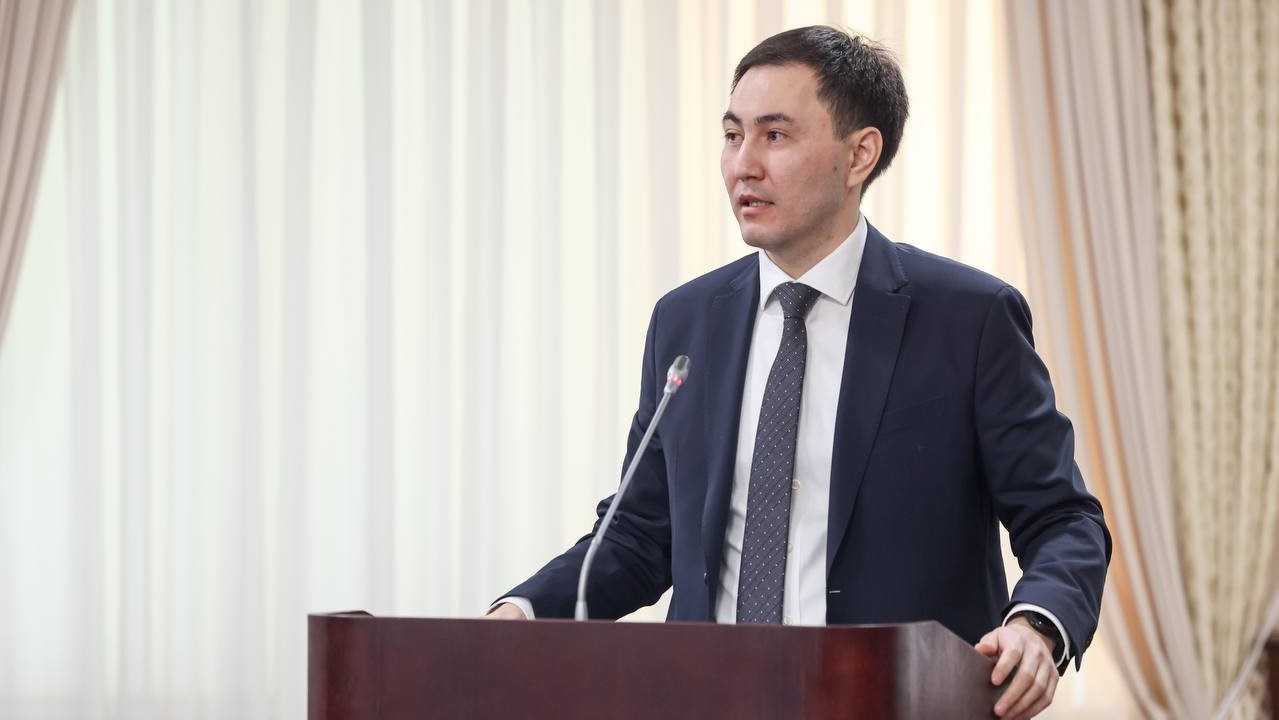
Today Zhandos Shaimardanov, Head of the National Statistics Bureau of the Agency, told at a Government meeting about a new pilot project that involves monitoring inflation based on data from fiscal operators.
The project is designed to ensure the efficiency of statistics generation, optimize costs and improve data quality.
According to Zhandos Shaimardanov, one of the priorities of the Bureau is the use of alternative sources, in this case, fiscal receipts, in other words, data that is recorded in cash receipts.
"A number of European countries, such as Belgium, Sweden, Switzerland and others actively use this source to calculate inflation. We have also launched a similar project in Kazakhstan, attracted methodological assistance from IMF experts. In turn, the Ministry of Finance provided fiscal data" - the head of the bureau said.
In addition, the head of the Bureau shared his plans for the future. "The Bureau plans to replace the traditional price registration with the use of fiscal data after the implementation of the Unified Catalog of Goods and Services is completed, as well as the validation of the new approach by the IMF. While we continue to collect data using the traditional method, an experimental calculation based on fiscal receipts is being conducted in parallel".
Given that the process of implementing the new methodology is not fast, the Bureau is creating a mobile application to simplify and speed up the process of collecting statistical data.
As noted by Zhandos Shaimardanov, prices are currently registered by the Bureau's specialists in the regions. Each of them keeps a paper diary, where he records the price dynamics manually.
The new mobile application will allow not only to record price quotes electronically, but also to read the barcode and the image of the goods, confirm the location of the object and transmit data online.
All these innovations will not only improve the quality control of data acquisition, but also expand the possibilities for price analysis, reducing processing time.