Issues of strengthening business protection were discussed in Akmola region
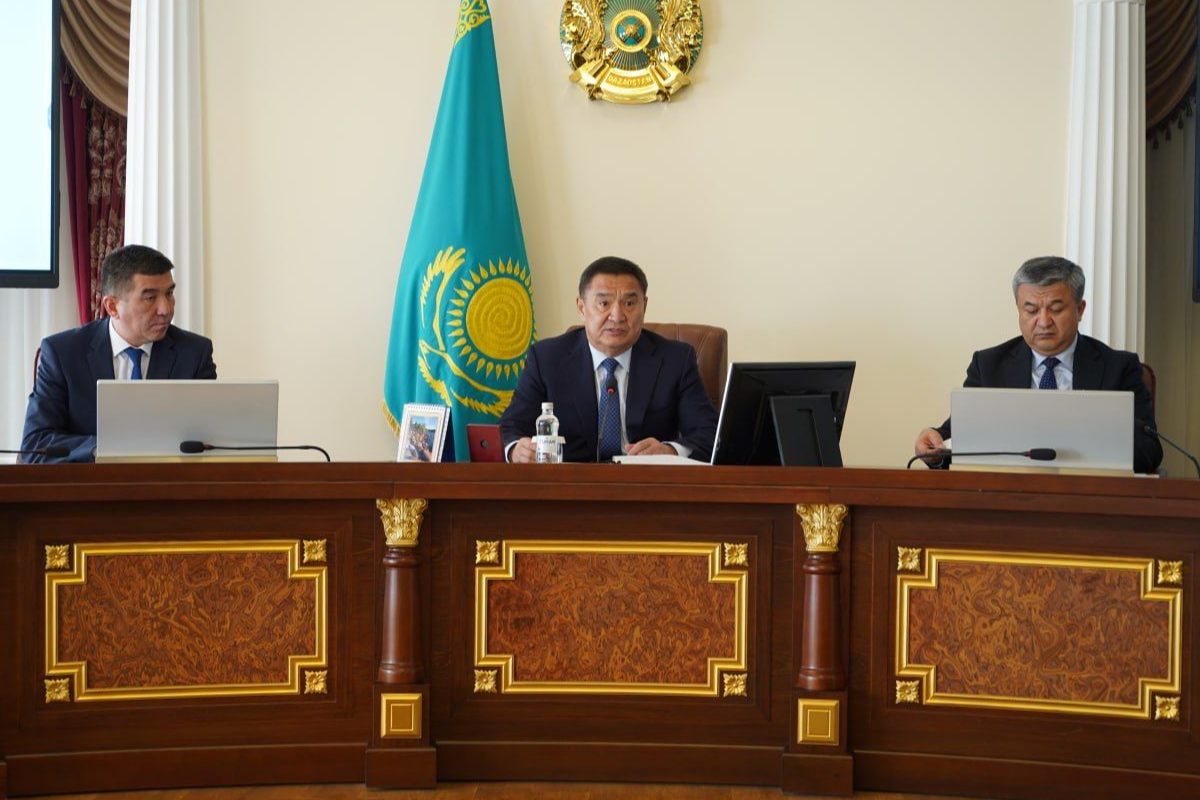
At a meeting of the interdepartmental commission on combating corruption under the akimat of Akmola region, issues of strengthening the protection of the rights of entrepreneurs are considered.
Opening the meeting, the head of the region, Marat Akhmetzhanov, noted that on the initiative of the Agency of the Republic of Kazakhstan
To combat corruption, since the beginning of the year, the country has launched a project to protect entrepreneurs, “Business Road”. This project was developed to ensure adequate protection of the rights of entrepreneurs and create a favorable environment for entrepreneurship.
The head of the regional anti-corruption agency, Askhat Orazkhan, in his speech voiced a number of problematic issues in the business sphere.
As part of the Business Zhol project, more than 450 entrepreneurs in the region have already received help in solving their problems in a variety of areas, from education to environmental issues. All requests are considered within the framework of the official register, with the exception of global problems that require attention and systemic business issues.
“Government agencies need to make informed decisions in business, based on laws, without creating unnecessary red tape.
and artificial barriers. Officials, first of all, the leadership, must delve into the essence of the problem and understand it immediately on the spot,” said Askhat Orazkhan.
Akim of the region Marat Akhmetzhanov, paying tribute to the role of business in modern society, taught the relevant subordinate institutions to ensure compliance with the rights of entrepreneurs.
take measures of responsibility for violations by persons, as well as establish interaction between government agencies and the Atameken Republican Industrial Enterprise when resolving problematic issues.
“It is necessary to ensure measures to combat corruption in the government apparatus and the quasi-public sector. It is unacceptable to involve private businesses in litigation. I warn about the personal responsibility of each leader for carrying out work in priority areas of anti-corruption policy,” noted Marat Akhmetzhanov.
Against this background, issues of implementing the standard basic direction “Preventing and combating corruption” No. 4 and promoting anti-corruption policy through the implementation of state social orders are also considered.
The heads of local executive bodies were instructed to strengthen the quality of implementation of activities within the framework of TBN-4, intensify work to eliminate corruption risks and improve the anti-corruption culture.