An infectious disease doctor from Almaty spoke about the treatment and prevention of COVID and meningitis
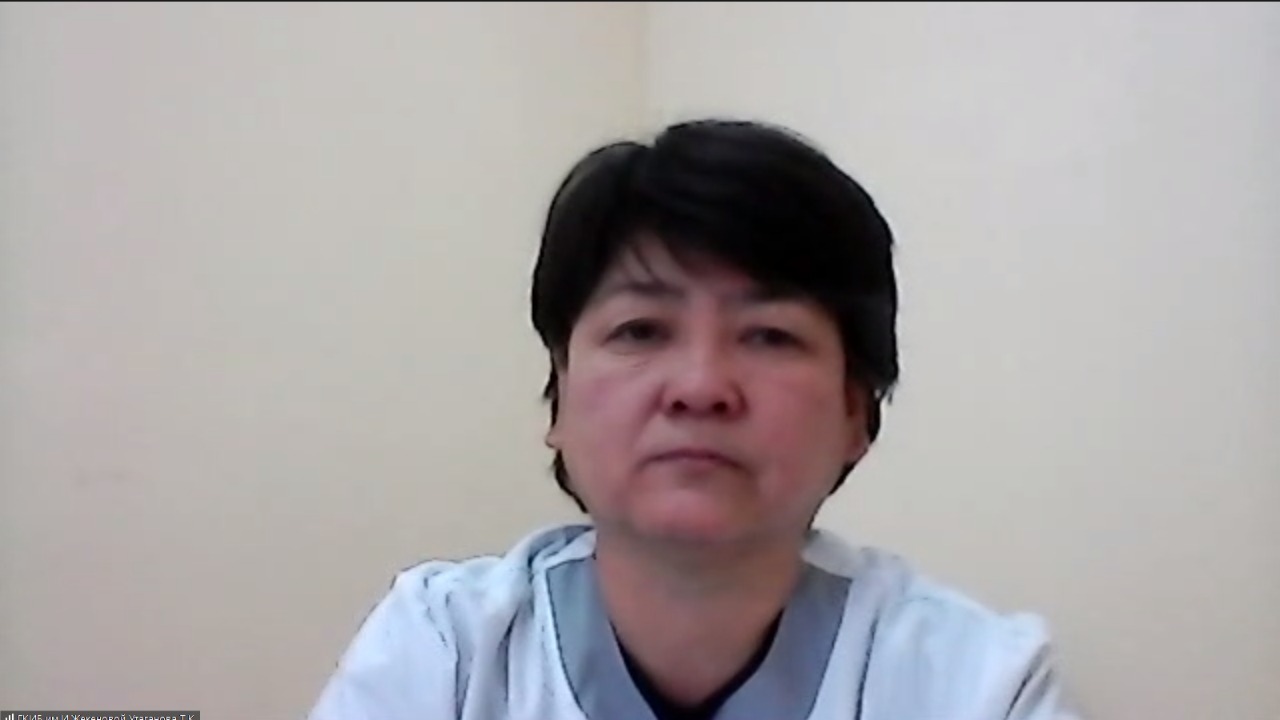
At an online briefing of the Regional Communications Service of Almaty, Deputy Chief Physician for Medical Work of the City Clinical Infectious Diseases Hospital named after I.S. Zhekenova, infectious disease specialist Tamara Utaganova.
According to the speaker, the Zhekenova Infectious Diseases Hospital in Almaty has three hospitals.
“In addition to the treatment of patients with COVID, the treatment of other infectious diseases continues, such as meningitis, enterovirus, intestinal infections - moreover, they have recently been somewhat leading among other infectious diseases. For the treatment of these patients, conditions have been created to avoid nosocomial infections, there are isolated entrances, separate reception rooms and employees,” T. Utaganova said.
The doctor noted that today, in Almaty, there is a large circulation of the omicron variant. According to her, the course and treatment of patients infected with omicron is different. In particular, we are talking about greater contagiousness, that is, the rapid transmission of infection from an infected person to other people. At the same time, the course of the disease is easier, there are more opportunities for outpatient treatment.
“Although the protocol is preserved, we rarely resort to such doses of drugs that we have to use hormone therapy. Many patients are not saturated enough to use many drugs. Each patient is prescribed individual anticoagulant therapy as needed. But basically, treatment includes anti-inflammatory therapy, as well as drinking plenty of fluids. Seeking care early and isolating early helps a lot. The disease is milder, but with a large number of infected,” T. Utaganova said.
She explained what “superimmunity” from COVID means, which has frequently been discussed on the Internet and which is supposedly formed in people who have been vaccinated and recovered from the coronavirus. According to the doctor, every time we encounter a virus, our immunity recognizes a mutation and, accordingly, arms against it. Thus, a vaccinated and recovering patient has more information in the system than an unvaccinated one. In other words, we took one information for immunity by vaccination, another information for the disease. As a result, immunity becomes more prepared for the variability and mutation of the virus in the future.
The Deputy Chief Physician of the infectious diseases hospital also explained the issue of complications after the transferred omicron. Complications from any infectious disease exacerbate chronic diseases. By itself, omicron is an infection of the respiratory tract, respectively, has such manifestations as pneumonia, respiratory failure. Omicron is lighter, but there are risk groups for complications and exacerbation of concomitant diseases.
Speaking about other infectious diseases, in particular about meningitis, T. Utaganova noted that meningitis can be viral, infectious, and also those when people become infected from another infectious agent. Many illnesses can cause meningitis, including the flu. The risk groups for meningitis include primarily patients who suffer from chronic diseases of the upper respiratory tract - untreated sinusitis, sinusitis, respiratory tract infections. In addition, patients with immunodeficiency are at risk.
To prevent infection with meningitis, the doctor recommends paying more attention to the prevention of exacerbation of diseases of the upper respiratory tract.