Video surveillance systems to be installed in Almaty to ensure children's rights in blind zones of social institutions
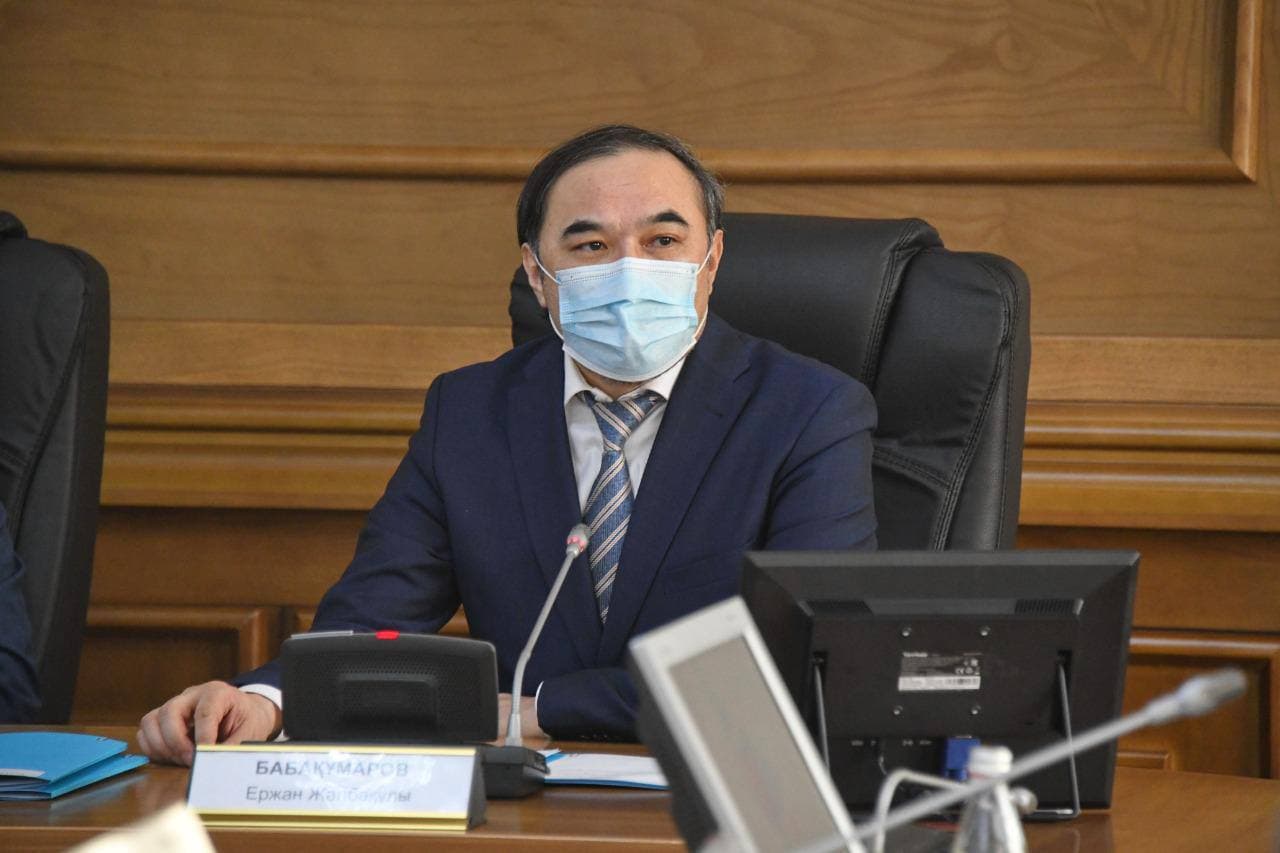
Deputy Akim of Almaty, Yerzhan Babakumarov, together with the Ombudsman for Human Rights in the Republic of Kazakhstan, Elvira Azimova, held an online meeting on the establishment of a video surveillance system on the territory of social facilities.
As a result of the meeting, the deputy akim of the city, Yerzhan Babakumarov, gave a number of specific instructions to the city departments of education, health, and also, by agreement, to the Department of Social Welfare.
The meeting was held in order to implement the instructions of the Head of State, given in the Address to the people "Kazakhstan in a new reality: time for action", on the introduction of a video surveillance system, which should cover all "invisible" areas in penitentiary institutions and special police premises. The main goal of overcoming blind spots in social facilities is to strengthen safeguards to protect human rights from inappropriate treatment. In this regard, the elimination of blind spots is planned in medical and social institutions located in the city of Almaty.
Elvira Azimova, Ombudsman for Human Rights in the Republic of Kazakhstan, said that a unified regulatory decree with the designated goals and objectives of installing video cameras would be developed. At the same time, the term "blind spot" maintains a balance between guaranteeing law and order and respect for human rights, without covering places of personal space, hygiene (showers, etc.).
It should be noted, that this work will be accompanied by increased public scrutiny. Relevant recommendations were voiced by a member of the National Council of Public Trust, a member of the Coordination Council under the Ombudsman, Executive Director of the Charter for Human Rights public foundation Zhenis Turmagambetova, a member of the Coordination Council under the Ombudsman, Head of the PRI (Prison Reform International) Representative Office in Central Asia Zhanna Nazarova. In turn, representatives of the Ministries of Education and the Prosecutor's Office of the city made recommendations on the installation of video surveillance in compliance with the requirements of legislation and the rights of the child, as well as the experience of preschool institutions and schools.
On the video-conferencing system, the positive experience of the Almaty Police Department in video surveillance and storage and access to data was considered in detail. Olga Agafonova, Head of the Department of Informatization and Communication of the Almaty Police Department, demonstrated the principle of the Operational Management Center.
The meeting resulted in the adoption of an Agreement between the Akimat of Almaty, on the one hand, represented by the departments of education, public health, social welfare and the Commissioner for Human Rights in the Republic of Kazakhstan, the Charter for Human Rights Public Foundation on joint work to eliminate blind spots.