Digitalization on the guard of authors' rights
Today, digitalization is not just a fashionable word, it is a reality in which authors, performers, publishers and millions of content consumers live. That is why the issues of copyright protection are of particular relevance: it is important not only to create, but also to be able to protect your creativity in the new digital environment.
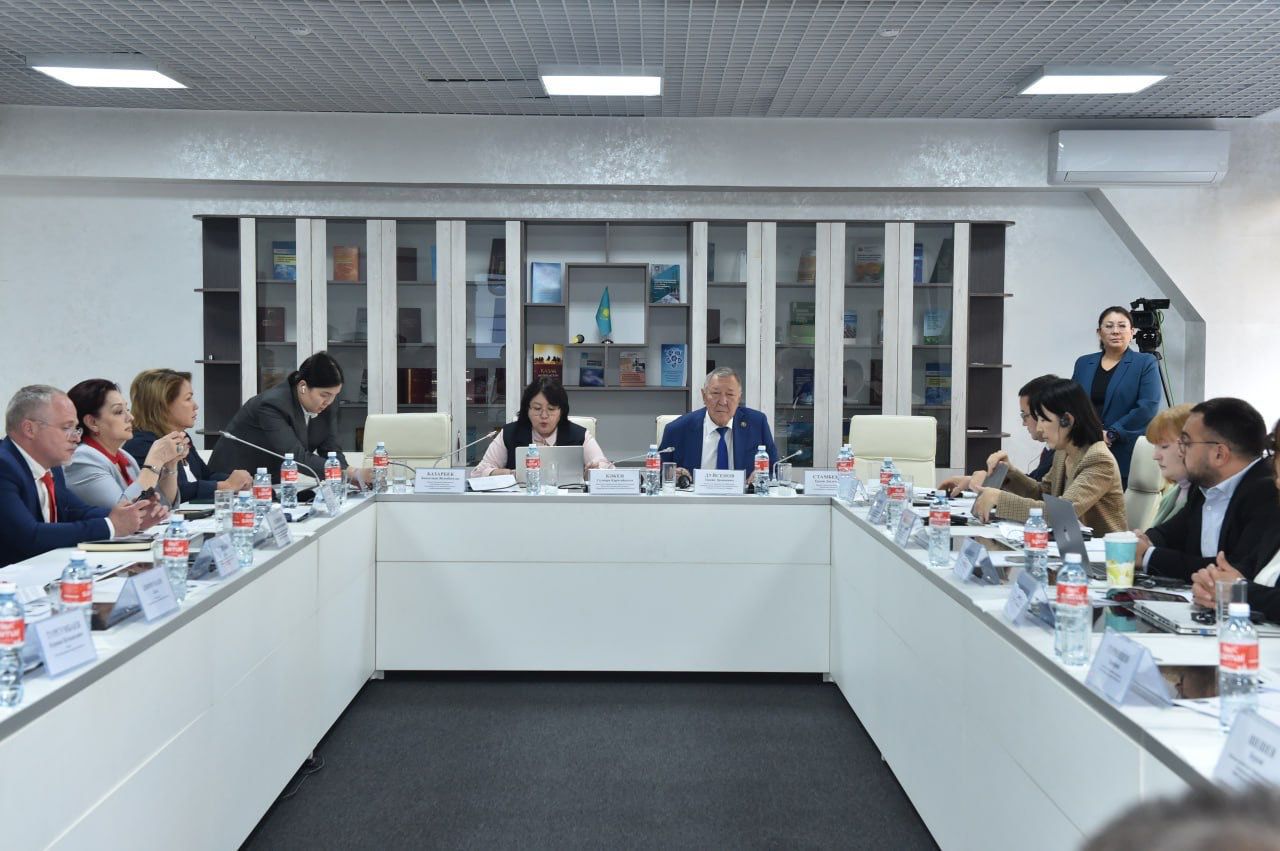
The next step in this direction was the international seminar held on October 16-17, 2025 in Almaty on the topic: «Collective management of copyright and Related rights» with the support of the Eurasian Economic Commission (EEC) and the World Intellectual Property Organization (WIPO).
The seminar brought together representatives of WIPO, the EEC, collective management organizations from Armenia, Belarus, Georgia, Kazakhstan, Russia and Turkey, creative unions, territorial justice authorities and government agencies of the Republic of Kazakhstan.
Today, the field of collective management is undergoing a new stage of development, but it still faces a number of pressing issues and challenges related to ensuring transparency in the activities of collective management organizations and timely payment of remuneration to authors and rights holders.
The seminar covered a wide range of topics, from global trends in collective management to current digital challenges related to streaming services, cross-border licensing and new business models.
The presentations by Miyuki Monroig, Advisor to the Copyright Management Division of WIPO, and Ekaterina Myasnikova, Deputy Head of the Department of Business Development at the EEC, focused on international experience in this area.
Special attention was given to the experience and prospects of collective management organizations in Kazakhstan, as well as transparency and accountability, which are essential for building trust among authors and rights holders.
The seminar was conducted in an open and informative manner. Deputies of the Parliament of the Republic of Kazakhstan, Zhanna Asanova and Yerlan Stambekov, emphasized the importance of the collective management system as a tool for ensuring the property rights of authors.
Deputy of the Mazhilis of the Parliament of the Republic of Kazakhstan, Bakytzhan Bazarbek, raised the issue of the multiplicity of Kazakhstani collective management organizations and the need to improve their efficiency and payment of collected remuneration. He also noted the need to unite existing collective management organizations in order to consolidate efforts and achieve the main goal of ensuring the rights of authors.
The issues of digitalization of collective management, as well as the development and implementation of a unified digital platform for collective rights management, aroused interest and controversy.
Lasha Mdvini, Head of the Legal Department of the IPOA Intellectual Property Owners Association of Georgia, noted that the introduction of digital tools in Georgia also caused a lot of controversy and discussion, however, it was the use of digital tools that contributed to a 20-fold increase in the amount of remuneration collected.
Konstantin Galimov, Head of the Department at the National Center for Intellectual Property of the Republic of Belarus, expressed interest in Kazakhstan's experience in implementing a unified digital platform for collective management (UCP) and its ongoing progress.
In addition, the seminar participants discussed the development and digitalization of the collective management system, including the field of collective management, such as reprography.
The seminar participants unanimously agreed that collective management should protect the rights of authors and copyright holders.
The participants not only shared their experiences but also engaged in lively and sometimes heated discussions, but always in a constructive manner.
The seminar became a unique platform for dialogue where both global strategies and specific proposals were presented. It is precisely such meetings that shape a common understanding that the path to a strong, fair and modern intellectual property system can only be achieved through the collaboration of all parties: the government, businesses, creative communities and international partners.
Kazakhstan is confidently moving forward not only embracing the experience but also sharing its own solutions. In the digital world, it is crucial to ensure that creativity is accompanied by justice, protection and respect for the author's work.