Attention - household gas!
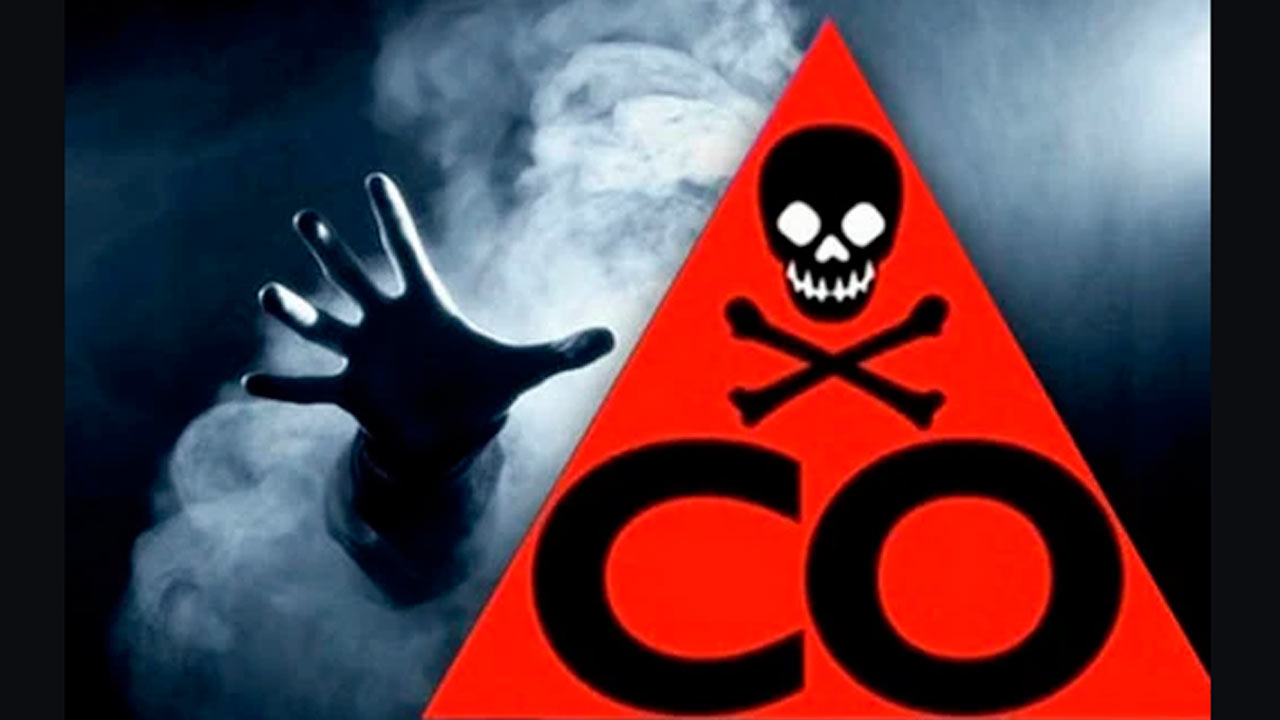
Household gas is an important raw material resource in human life. Gas is used in heating systems, in cooking, in engines.
Today, there are two main types of gas used in everyday conditions: natural, liquefied.
It is necessary to remember, the gas used in everyday life is explosive and fire-fired! The liquefied gas is twice heavier than air and when leaked fills primarily basements, subfields, underground communications and can spread over long distances. In combination with air, the gas forms an explosive mixture. In the incomplete combustion of gas is released carbon monoxide (gas without color and smell), from which possible suffocation fatal.
An impressive part of explosions of household gas and fires in residential buildings - a consequence of neglect of safety, ignorance of the rules of gas use and negligence in the handling of liquefied gas cylinders. In order to avoid explosions of domestic gas and fires from the use of liquefied gas, remember the following rules:
It is necessary to store a cylinder with liquefied gas exclusively in an upright position in a ventilated room;
- Spare filled and empty gas cylinders cannot be stored even temporarily in a residential area, as well as on evacuation aisles in the event of a fire.
- In one room you can keep only one gas cylinder up to 55 liters or two no more than 27 liters. Inside the house, the gas cylinder is located 1 meter from the stove, at least 1 meter from the heating batteries and at least two meters from the oven door;
- Before replacing the gas cylinder, make sure that the valves of the full spent cylinders are tightly closed. After replacing for greater safety, apply a soap solution to all the compounds and make sure they are airtight.
- Do not replace the gas cylinder if there is flames and electrical appliances on in the room;
- After finishing your gas, don't forget to close the cylinder crane. We remind that violation of the rules of gas use can lead to an explosion of household gas, which leads to the collapse of part or the entire building, fires, serious injuries and deaths.
Courser 4th course of FSO KTI FEMA Rk Oziken M.М.