Kazakhstan’s Experience in Using Digital Technologies to Combat Drug Crime Presented in Vienna
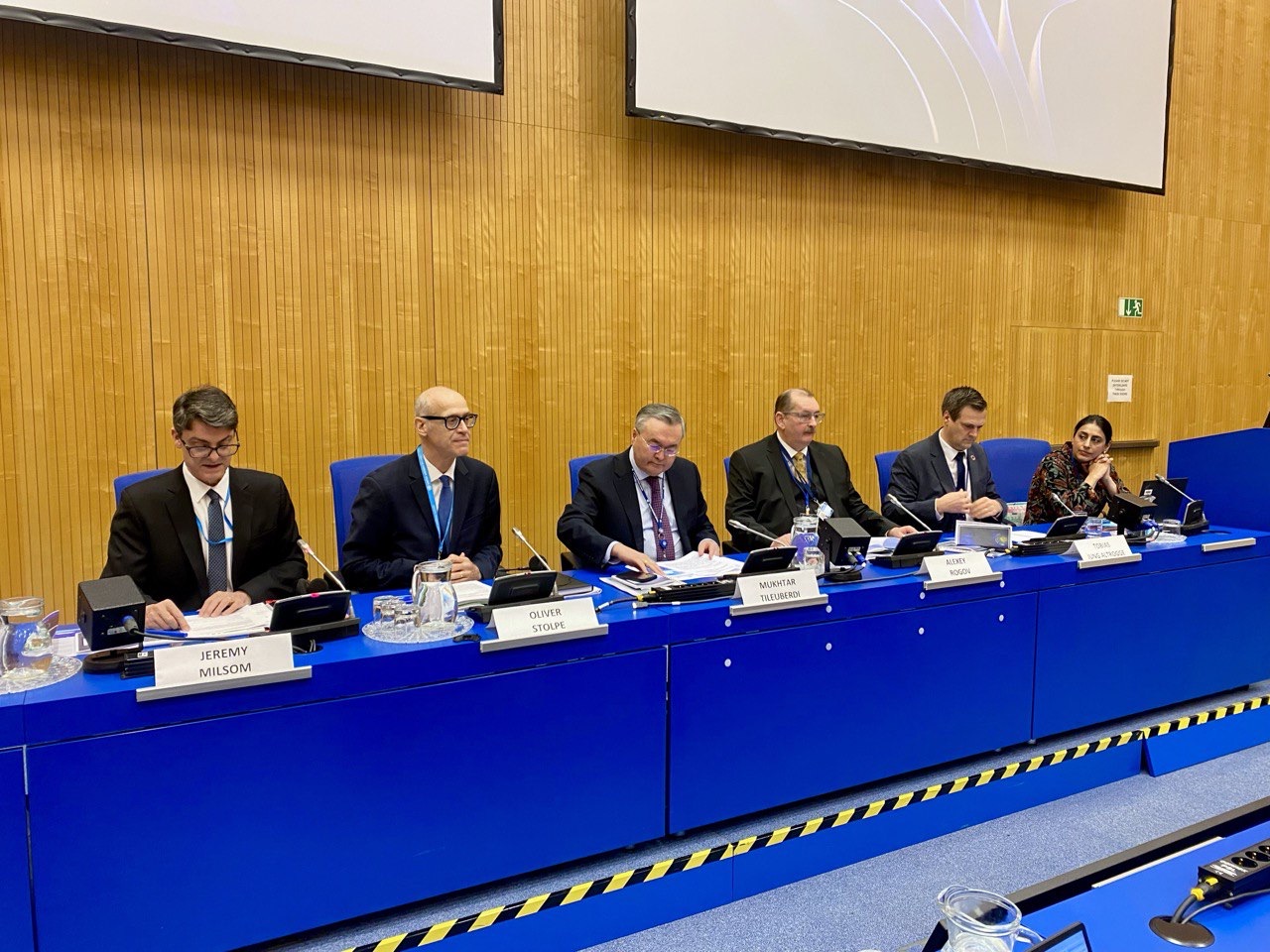
On the margins of the 69th session of the UN Commission on Narcotic Drugs, Kazakhstan delegation organized a side event titled «The Digital Shield: The Role of Innovative Technologies in Detecting Illicit Drug Trafficking and Laundering of Criminal Proceeds». The event was co-organized by the United Nations Office on Drugs and Crime (UNODC), the Organization for Security and Co-operation in Europe (OSCE), the Central Asia Drug Action Programme (CADAP), and the Foundation for the Internationalization of Public Administrations (FIAP).
Mukhtar Tileuberdi, Permanent Representative of Kazakhstan to the International organizations in Vienna, in his opening remarks emphasized the importance of international cooperation in countering the drug threat. He noted that new technologies can serve as a «Digital Shield», enabling states and international organizations to more effectively detect illicit flows and disrupt the activities of criminal networks.
Key speakers at the event included Oliver Stolpe, Regional Representative of UNODC; Alexey Rogov, Head of the OSCE Programme Office in Astana; and Tobias Jung Altrogge, Secretary General of FIAP.
During the side event, representatives of the Prosecutor General’s Office of the Republic of Kazakhstan, the Ministry of Internal Affairs, and the Agency for Financial Monitoring presented reports on the process of digital transformation of the drug control system and the introduction of modern technological solutions into the activities of Kazakhstan’s law enforcement agencies. They also outlined the set of measures implemented in the country to combat drug crime, as well as approaches to detecting crimes involving the use of virtual assets, including monitoring suspicious transactions and applying advanced analytical systems.
The event also highlighted the important contribution of civil society to drug crime prevention. In particular, representatives of the public foundations «Hak Nazar» and «Esbol Qory» spoke about the role of cooperation between the state and the civil sector in forming a comprehensive approach to combating drugs.
More than two hundred participants representing states, international organizations, the expert community, and civil society attended the event. The discussion generated strong interest among participants, confirming the relevance of the topic and the need to strengthen cooperation in this field.