Global Coalition on Primary Health Care Discussed in Geneva at Kazakhstan’s Initiative
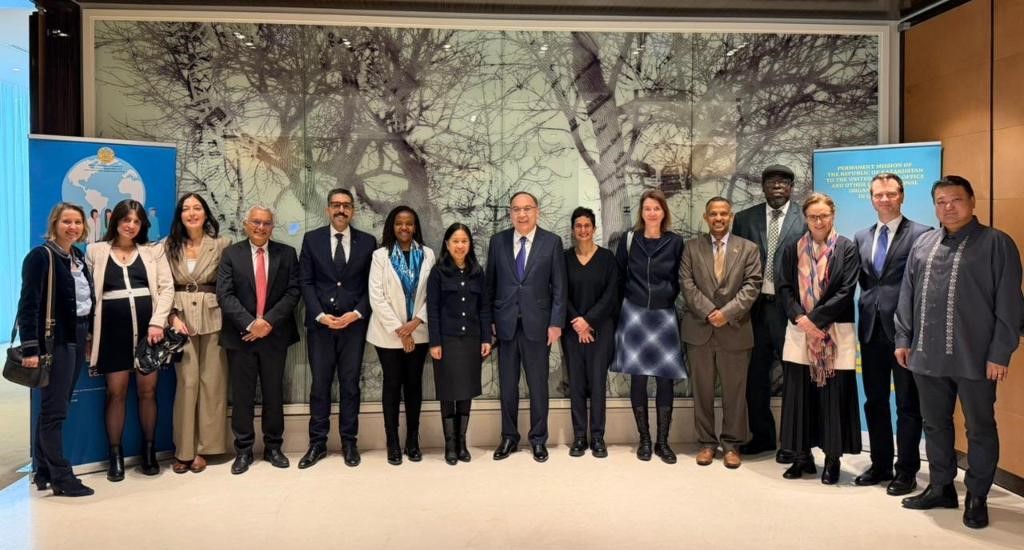
The Permanent Mission of Kazakhstan to the United Nations Office and other International Organizations in Geneva convened a meeting of Permanent Representatives on the Global Coalition on Primary Health Care (PHC), bringing together ambassadors, senior diplomats, and representatives of the World Health Organization (WHO) for an informal exchange on advancing primary health care in today’s complex global environment.
The Permanent Representative of Kazakhstan, Ambassador Erzhan Kazykhan, recalled the country’s longstanding leadership in primary health care, rooted in the 1978 Alma-Ata Declaration and the 2018 Astana Declaration. He emphasized that, amid humanitarian emergencies, climate-related disasters, and widening inequalities, primary health care remains the most effective foundation for equitable and resilient health systems.
The Ambassador reaffirmed Kazakhstan’s commitment to advancing the Global Coalition on PHC as a political platform for dialogue, partnership, and action, and expressed readiness to work with interested partners to ensure that primary health care remains central to global health discussions.
The program included interventions by WHO representatives Director of the Performance, Financing and Delivery Department Kalipso Chalkidou and Head of the Service Delivery PHC Unit Shams Syed followed by reflections from high-level representatives. Participants referenced the recent WHO Director-General’s report on primary health care, which recognized the Global Coalition on PHC as a mechanism to sustain political commitment and promote shared learning. Diplomats also exchanged views on future cooperation.
Kazakhstan launched the Global Coalition on PHC in 2023 as a voluntary, cross-regional political platform to promote high-level engagement on primary health care. The Coalition currently brings together 24 partners, including WHO, and continues to attract interest from additional countries.