Kazakhstan Assumes Chairmanship in the Central Asian Nuclear-Weapon-Free Zone
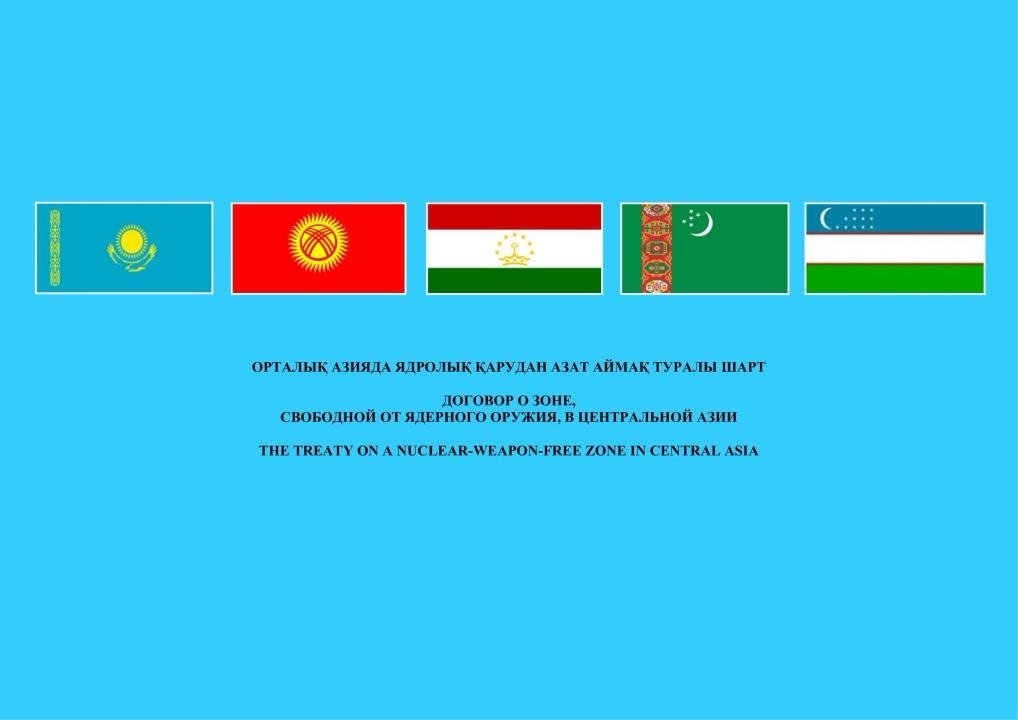
Representatives of the Ministry of Foreign Affairs of Kazakhstan participated in the annual consultative meeting of the States parties to the Treaty on a Nuclear-Weapon-Free Zone in Central Asia.
During the meeting, Kazakhstan officially assumed chairmanship functions for 2026. In addition, the parties discussed joint work in 2025 and plans for the current year, including closer coordination within the framework of the United Nations.
The delegation of Kazakhstan, as Chairman, noted that this year marks the 20th anniversary since the signing (in 2006) of the Treaty in Semipalatinsk and stressed the importance of close cooperation within key fora in the field of disarmament and non-proliferation, including the Review Conferences of the Treaty on the Non-Proliferation of Nuclear Weapons (NPT) and the Treaty on the Prohibition of Nuclear Weapons. (TPNW).
Commemorative events are also planned during this year by the foreign ministries of the Central Asian states.
The Treaty on the Central Asian Nuclear-Weapon-Free Zones (the "Semipalatinsk Treaty") was signed by Kazakhstan, Kyrgyzstan, Tajikistan, Turkmenistan and Uzbekistan on September 8, 2006 in Semipalatinsk and entered into force on March 21, 2009 after ratification by all five parties.
The Semipalatinsk Treaty has a number of unique features: it created the first nuclear-weapon-free zone in the northern hemisphere, in a region that once served as a testing ground for the active deployment and testing of nuclear weapons, and where intensive uranium mining for military purposes was conducted. Moreover, among other similar zones, CANWFZ stands out for having the longest land border with two nuclear-weapon States.