High-Level Meeting “Access to Justice for All Women and Girls in Central Asia: Strengthening the Legal Framework and Institutional Response Measures ahead of the 70th Session of the Commission on the Status of Women”, held in Tashkent
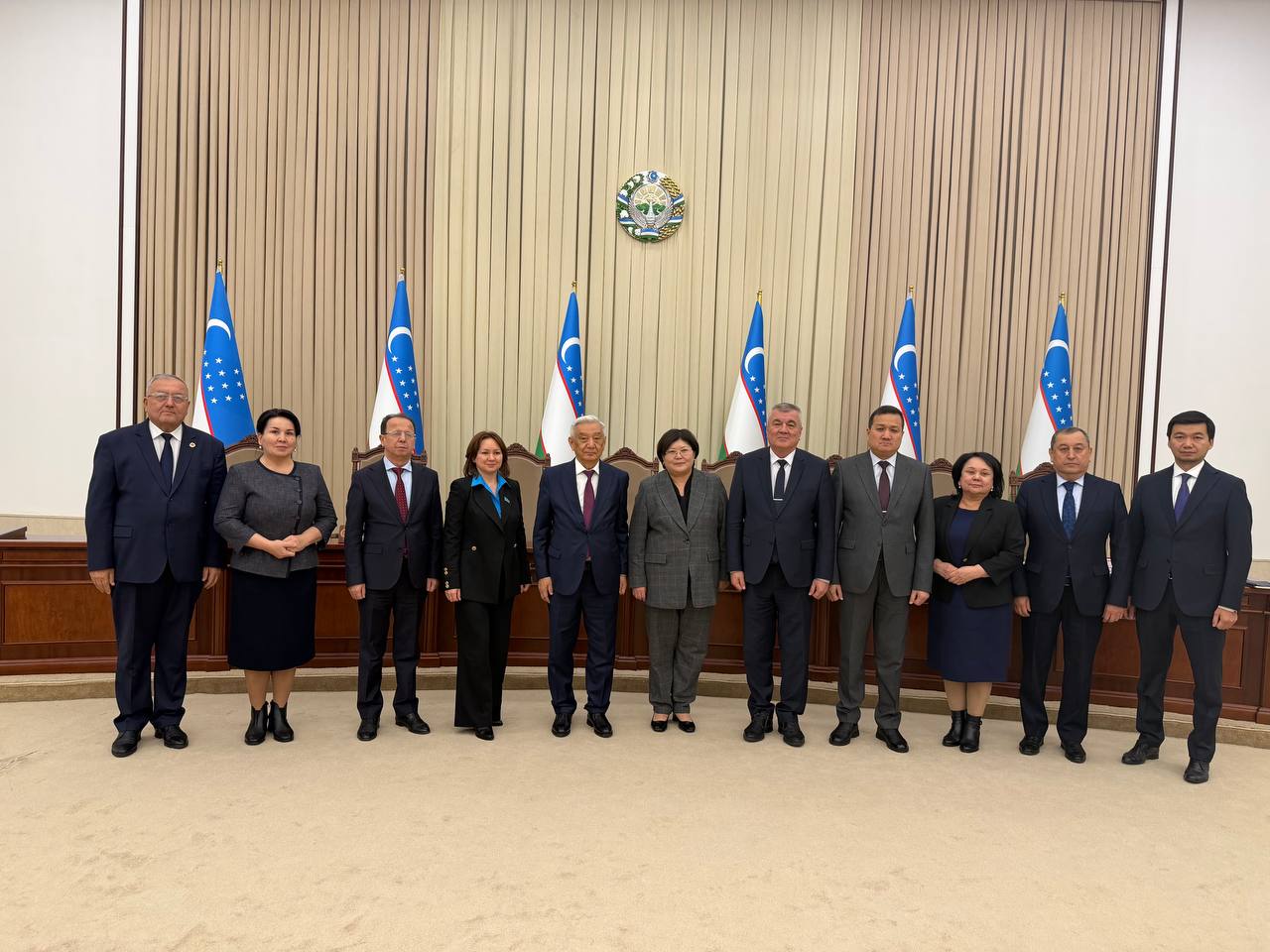
On 10 December, a Kazakhstani delegation led by Chairwoman of the Constitutional Court of the Republic of Kazakhstan Elvira Azimova took part in the High-Level Meeting “Access to Justice for All Women and Girls in Central Asia: Strengthening the Legal Framework and Institutional Response Measures ahead of the 70th Session of the Commission on the Status of Women”, held in Tashkent. The delegation also included Member of the Mazhilis of the Parliament of the Republic of Kazakhstan Snezhana Imasheva and Judge of the Supreme Court of the Republic of Kazakhstan Sholpan Imaniyazova.
The event brought together representatives of judicial, legislative and human rights institutions from Central Asian countries, as well as the Embassy of the Republic of Kazakhstan in the Republic of Uzbekistan. Participants discussed improving legislation and mechanisms for protecting the rights of women and girls, enhancing access to justice, and strengthening sustainable institutional responses to discrimination and violence across the region.
As part of the working visit, the Kazakhstani side held a series of meetings, including with representatives of UN Women, Chairman of the Constitutional Court of the Republic of Uzbekistan Mirza-Ulugbek Abdusalomov, and the Authorized Person for Human Rights (Ombudsperson) of the Republic of Uzbekistan Feruza Eshmatova.
During the discussions, the parties exchanged views on the development of constitutional oversight and judicial–legal reforms, underscored the importance of strengthening direct ties between the highest judicial bodies of the two countries, and explored prospects for cooperation in the field of human rights protection. Special attention was given to expanding interaction with UN Women, including the exchange of best practices in reviewing citizens’ appeals, enhancing measures to safeguard the rights of women and girls, and reinforcing the institutional capacities of the ombudsperson institutions in both states.
Following the visit, the parties reached an agreement to continue expert consultations and deepen interagency cooperation across key areas of the agenda.