On December 4-5, 2025, Council of National Coordinators of CARICC Member States
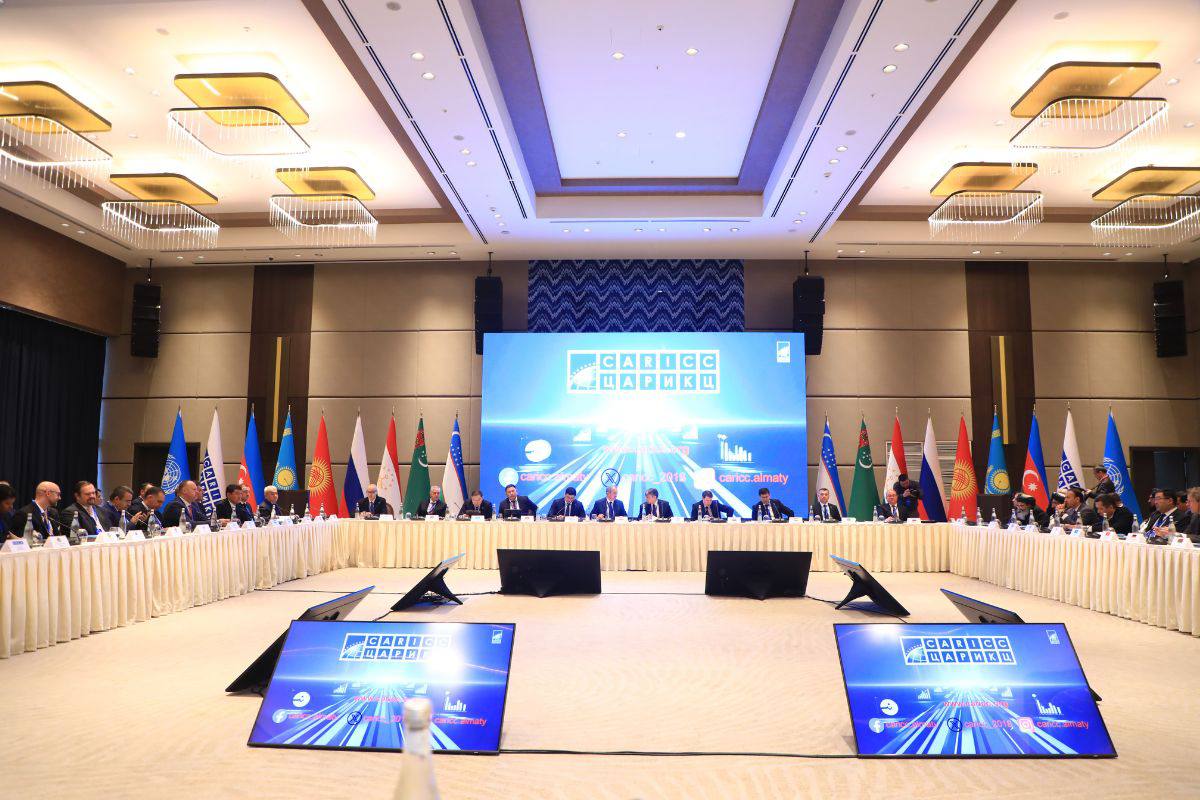
Council of National Coordinators of CARICC Member States
On December 4-5, 2025, a meeting of the Council of National Coordinators (CPC) of the member States of the Central Asian Regional Information Coordination Center (CARICC) was held in Samarkand. The Kazakh delegation was headed by the Chairman of the Committee on Combating Drug Crime of the Ministry of Internal Affairs of the Republic of Kazakhstan Daniyar Meirkhan.
The meeting was attended by the national coordinators of the seven CARICC member countries – Azerbaijan, Kazakhstan, Kyrgyzstan, Russia, Tajikistan, Turkmenistan and Uzbekistan, as well as representatives of the United Nations Office on Drugs and Crime (UNODC).
The main topic of the meeting was the CARICC 2.0 initiative, aimed at comprehensively strengthening the Center's capacity to effectively counter modern security challenges and promote sustainable development goals in the region. It was noted that the fight against drug trafficking and related transnational threats is an essential condition for ensuring stability and socio-economic progress in Central Asia.
During the meeting, the participants reviewed the key areas of CARICC's strategic development within the framework of the CARICC 2.0 concept. Topical issues of the Center's activities were discussed, including the improvement of its organizational structure, the development of new areas of work (including countering cyber threats and the spread of synthetic drugs), the modernization of information and analytical resources, as well as the expansion of international cooperation.
At the end of the meeting, the parties noted that the implementation of the decisions of the meeting would give a new impetus to the development of CARICC and increase the effectiveness of regional anti-drug cooperation. The CARICC 2.0 concept will become the basis for the Center's further transformation into a more powerful and modern mechanism capable of meeting complex security challenges and thereby contributing to the sustainable development of the Central Asian region. The participants reaffirmed their commitment to continue working together in a spirit of partnership and shared responsibility for peace and prosperity in the region.