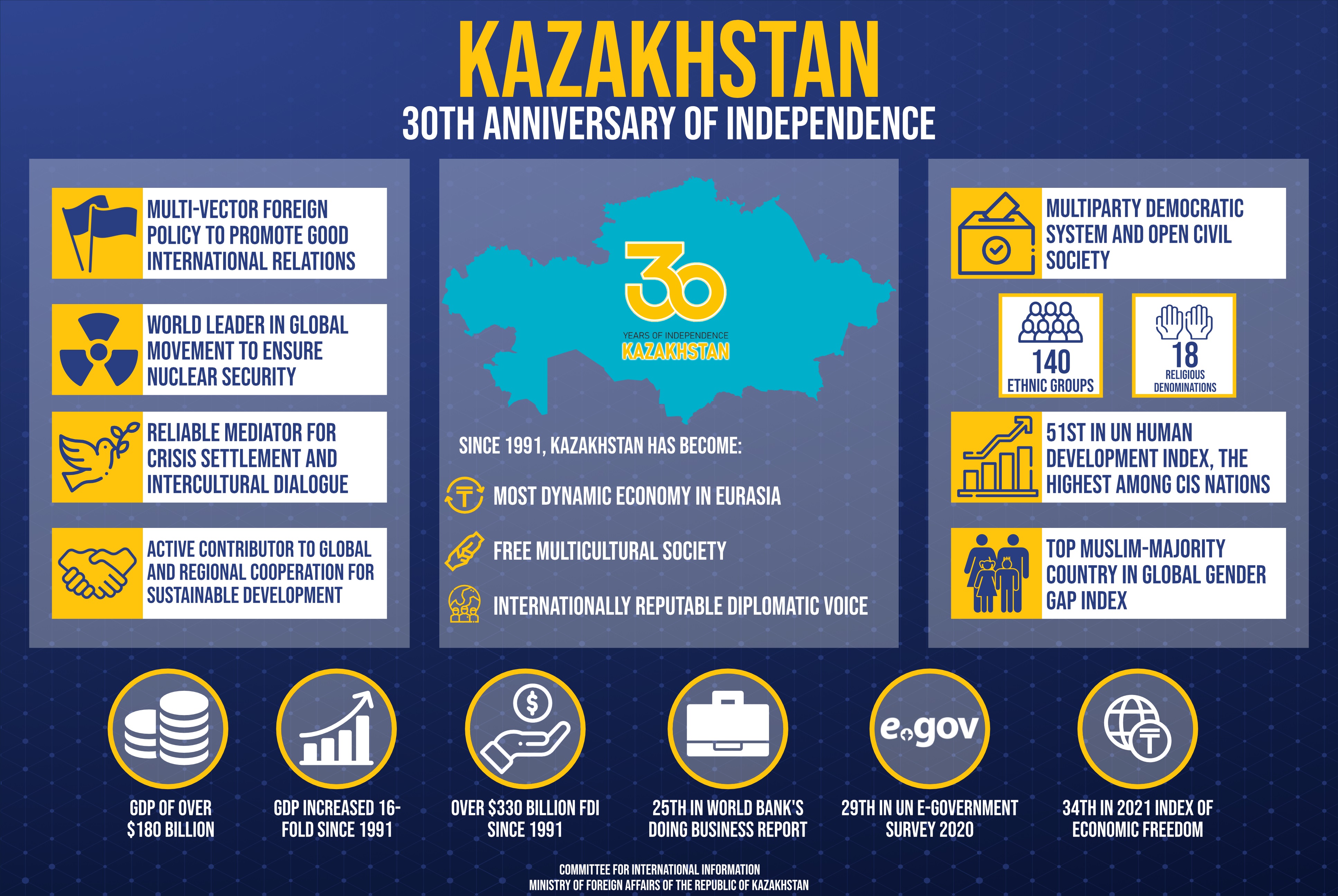
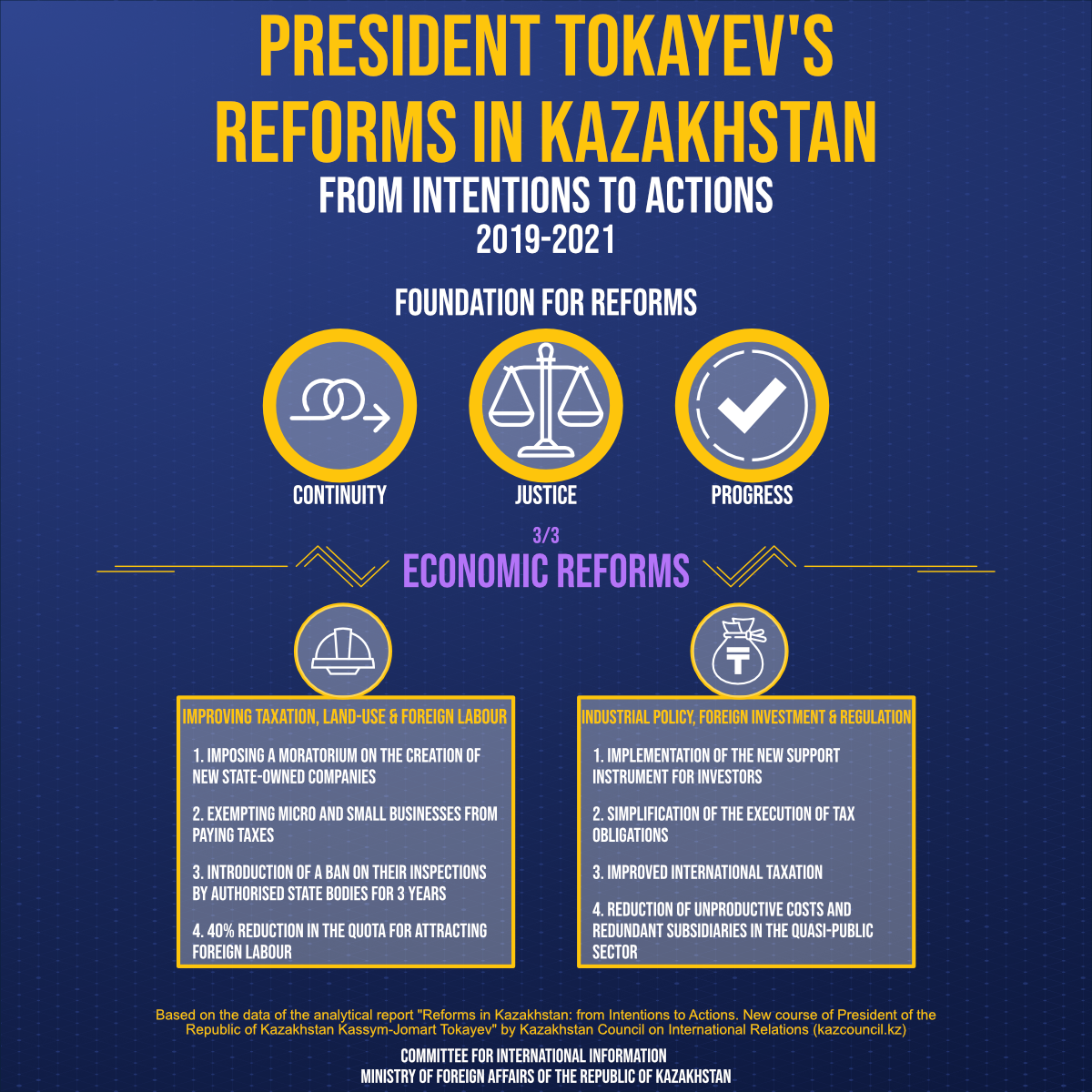
As part of the celebrations marking the 35th anniversary of the Independence of the Republic of Kazakhstan, the Abay Kazakh National Opera and Ballet Theatre held its tour in Singapore.
From 23 to 25 January 2026, the performances took place at the Grand Theatre of the NUS University Cultural Centre. This marked the first-ever tour of the Abay Theatre’s ballet company in Singapore in the history of Kazakhstan–Singapore relations.
During the three-day tour, Kazakh artists presented the programme “Classical Ballet Masterpieces and Carmen Suite.” Notably, the world-renowned one-act ballet Carmen Suite was staged in Singapore for the first time.
The high professional standard of the performers, along with the stage design and costumes, was warmly received by Singaporean audiences. The performances garnered very positive feedback from both guests and viewers.
The tour made a significant contribution to the development of cultural dialogue between Kazakhstan and Singapore, fostering the strengthening of bilateral friendly relations, expanding humanitarian cooperation, and promoting Kazakhstan’s rich cultural heritage on the international stage.
Bank Account Details:
Beneficiary: Embassy of the Republic of Kazakhstan
USD Account: 0003-023446-01-4
Beneficiary Bank: DBS Bank Ltd
SWIFT Code: DBSSSGSG
Only printed bank payment receipts or slips are accepted as proof of payment. Electronic confirmations are not accepted.
Payment must be made separately for each applicant.
All payments must be made in US dollars (USD).
Please note that bank charges may apply when making a payment through another bank. If the full amount is not received, the payment will be considered unpaid.
In accordance with Article 629, Paragraph 7 of the Tax Code of the Republic of Kazakhstan dated 25 December 2017 No. 120-VI, paid consular fees are non-refundable.
The state service is provided by the Ministry of Foreign Affairs and foreign institutions of the Republic of Kazakhstan.


Zhambyl Zhabayev
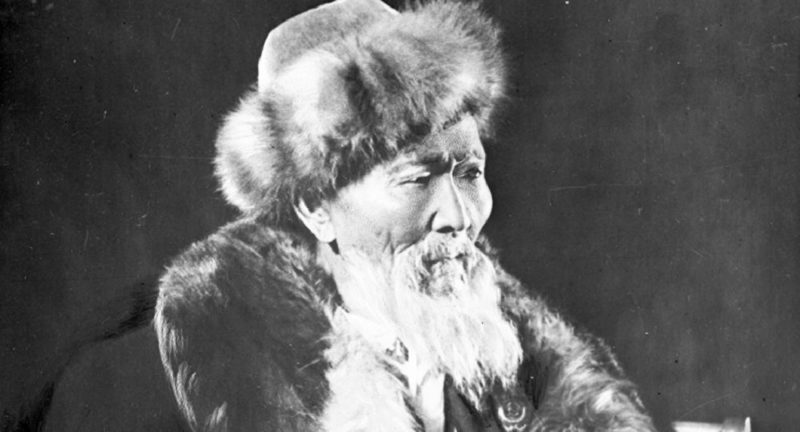
Zhambyl Zhabayev was born on February 16 (28), 1846 in the family of a poor but respected nomad Zhabay from the subgenus Ekey of the Shaprashty clan, which is part of the Senior Zhuz.
During his childhood, Zhambyl learned to play the dombra. Jambul’s uncle, father's brother, was a famous dombra player. At the age of 14 (according to other sources: in 1897 at the age of 12), he decided to leave home and become an akyn, earning money by singing. He sang to the accompaniment of dombra in the tolgau style (recitative). He studied the art of improvisation from akyn Suyunbai. Zhambyl sang exclusively in Kazakh. In the late XIX - early XX centuries, he repeatedly participated and won in aitys (competitions) of prominent akyns. He was famous as a master of accusatory songs. Later, from the pre-revolutionary repertoire from his words, the epics "Suranshi-batyr", "Utegen-batyr", fairy tales "Khan and akyn", "The Tale of the Lazy Man" and others were recorded.
One of the heights of Jambul's creativity is his aitys. At the end of the XIX and beginning of the XX century. Zhambyl took part in the competitions of two akyns aitys: in 1881 he defeated akyn Kulmambet, in 1895 - Sarbas, in 1902 - Dosmagambet, in 1909 - Shashubai. Zhambyl and before aitys with Kulmambet participated in small competitions - kayym-aitys.
By the time of October Revolution of 1917, Zhambyl was already a 70-year-old man who had not taken dombra in his hands for a long time. Although, according to the akyn, his spiritual rebirth and creative upsurge began. “Everything great and beautiful in our era is revealed through the image of Stalin,” said Zhambyl.
After the October Revolution of 1917, new themes appeared in the work of the akyn, already widely known by that time - "Anthem to October" (1936), "My Motherland" (1936), "In Lenin's Mausoleum" (1936), "Lenin and Stalin" (1936 ).
In his songs, one could meet almost all the heroes of the Soviet ruling elite; he gave them the features of epic heroes, legendary heroes - "Aksakal Kalinin" (1936), "Song of the Batyr Yezhov" (1937), "Klim Batyr" (1936), "Our Kirov "(1939) and others.
His songs sincerely glorified life in the USSR and were widely distributed by the authorities. The figure of ninety-year-old Jambul was presented in the form of an Eastern sage-aksakal, who welcomed the new system and its people. He becomes the most respected akyn of Kazakhstan, and his songs are part of the new life of the Kazakh aul. Since 1938, he was a deputy of the Supreme Council of the Kazakh SSR.
When the Great Patriotic War began, Private Algadai Zhambylov (1900-22 February 1943), the son of Zhambyl, went to the front. He died during the liberation of the city of Sinelnikovo, Dnepropetrovsk region.
Zhambyl Zhabayev died on June 22, 1945, 8 months before he turned 100 years. He was buried in the village of Zhambyl, Zhambyl district, Almaty region (the district and the village are named in his honor). In this aul, in the house where he lived, a museum of Zhambyl (Zhambyl) was organized, and there is a garden near the house to this day, which he had grown by himself. This aul is located outside the village of Uzynagash, about 60 km from Almaty. Later, next to Zhambyl, Nurgisa Atabaevich Tlendiev, a famous Kazakh composer, conductor, dombra player, People's Artist of the Kazakh SSR (1975), People's Artist of the USSR (1984), People's Hero of Kazakhstan (1998), was buried. This was the last will of the famous composer.
Zhambyl's poetic manner was distinguished by the psychological richness and concreteness of the depiction of life, sincerity and epic simplicity of the narrative. He combined oral forms with literary, poetical passages with prose. His songs represent a bright page of the Kazakh literature of the Soviet period. Jambul's poetry is associated with the life of the ordinary people. Zhambyl called for friendship between the Kazakhs and the Russian people, he composed many lyrical, everyday, socio-satirical songs, heroic poems and fairy tales ("Bai Kadyrbai's dog", "Black decree", "Poem of an angry heart", the poem "Utegen batyr", " Suranshi Batyr ", the tale" Khan and Akyn "," The Parable of the Lazy Man ", etc.).
In Soviet times, the songs of akyn gained nationwide fame. The poet created works imbued with Soviet patriotism and the pathos of communist ideas (poems - "My Motherland", 1936), "The Armed People", songs - "Anthem to October", "Lullaby", "Nag and Horse", "Song of the Brotherhood of People "," Lenin and Stalin "and others.
Zhambyl created songs about the Stalinist Constitution ("The Law of Happiness", "I Elect Stalin", "Servant of the People", etc.).
Became widely known and gained popularity his songs of the period of the Great Patriotic War - "The Poem of Love and Anger", "At the Hour When Stalin Calls", "Leningraders, My Children", "Moscow", "Order of the Motherland".
Kazhymukan Munaitpasov
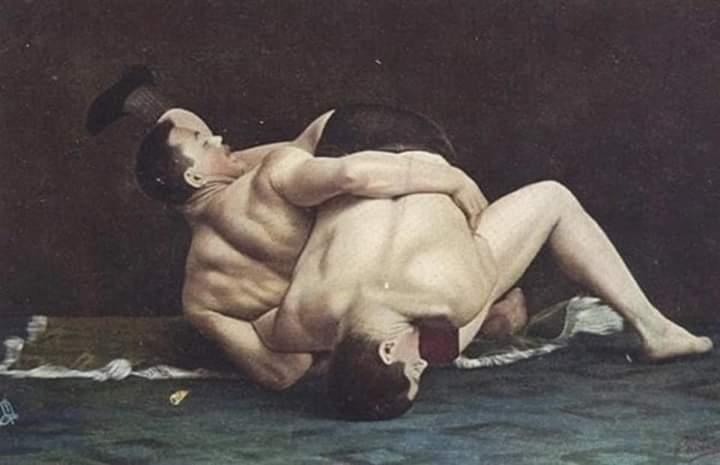
Born in the beginning of April 1871 (1886) in the Karaotkel village of Akmola region. In 1904, on the recommendation of the famous Russian circus wrestler A. N. Zlobin, the very young Mukan Munaitpasov was admitted to the school of I. V. Lebedev in St. Petersburg, where he studied the circus art of classical wrestling from 1905 to 1907. Then he began performing in the circus troupe of the professional world champion wrestler Georg Lurich. Under the pseudonyms Yamagata Mukhanura, then - Kara-Mustafa, Mahmut and so on, he participates in various international competitions in French and freestyle wrestling. A short time later, Munaitpasov becomes the winner and prize-winner of all-Russian tournaments in Saratov, Kazan, Omsk, Troitsk, Ufa and other cities, as well as international championships in Moscow, Kiev, Riga, Minsk, Paris, Warsaw, Harbin. As part of a circus troupe, he toured the countries of South America, the Near and Middle East. In 1909-1911, he successfully fought against the strongest Turkish wrestlers. The trip turned out to be fateful for the athlete, as the recognition of his strength and talent during this tour in his name appeared the prefix "Kazhy" ("Khaji") - who made a pilgrimage to holy places. The conquest of wrestling Turkey alone by Mukan was perceived by his Russian co-religionists that way.
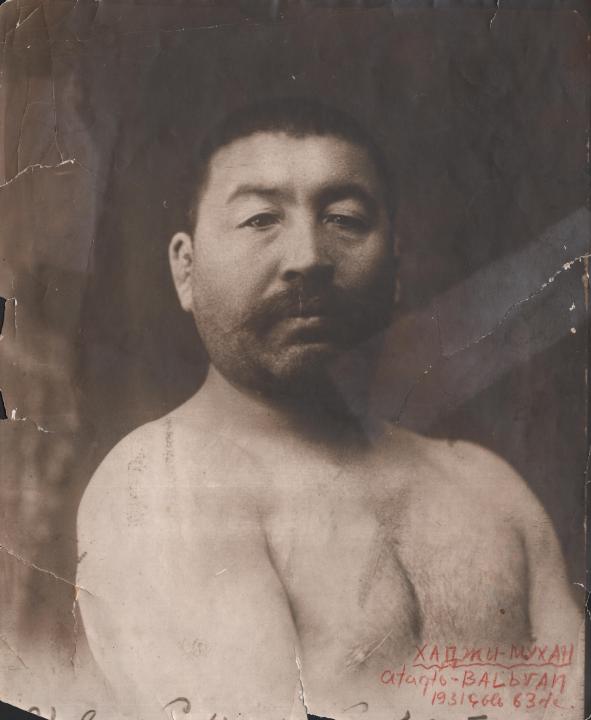
In 1909, Kazhymukan won a gold medal at the World Championship in French wrestling in Gothenburg (Sweden). He also became the strongest at the World Championship in Warsaw (1911). After a while, Munaitpasov becomes the winner and prize-winner of tournaments in Saratov, Kazan, Omsk, Troitsk, Ufa and other cities, as well as international championships in Moscow, Kiev, Riga, Minsk, Paris, Warsaw, Harbin. In 1913, in Troitsk, Munaitpasov defeated 18 wrestlers from different countries. Under the name Kara Ivan Munaitpasov defended the sporting honor of Russia in Kabul, Tehran, Harbin and other cities. In 1927, Central Executive Committee Kazakh Autonomous Socialist Soviet Republic awarded Kazhymukan the honorary title "Hero of the Kazakh steppes". In total, during the years of his performance he won 48 gold, silver, bronze medals, the famous "Sigismund's belt" (1913-1915).

In 1929-1931. The hero of the Kazakh steppes performed successfully in Petropavlovsk, Omsk, Novosibirsk, in Altai. History has become the fact that Kazhymukan, with his authority, contributed to the release of relatives who were dispossessed and were deported in the Omsk region. The tragedy of the 30s - the famine - deeply saddened Kazhymukan, who did his best to help his fellow countrymen out of trouble. The Kazakh batyr also deserved the love of the entire Soviet people with his civil act in wartime. During the World War II, Kazhymukan performed with circus performances among the population, and transferred the proceeds to the Defense Fund. With these funds, a whole fighter plane was eventually built. Kazhymukan was awarded the Order of the Badge of Honor.
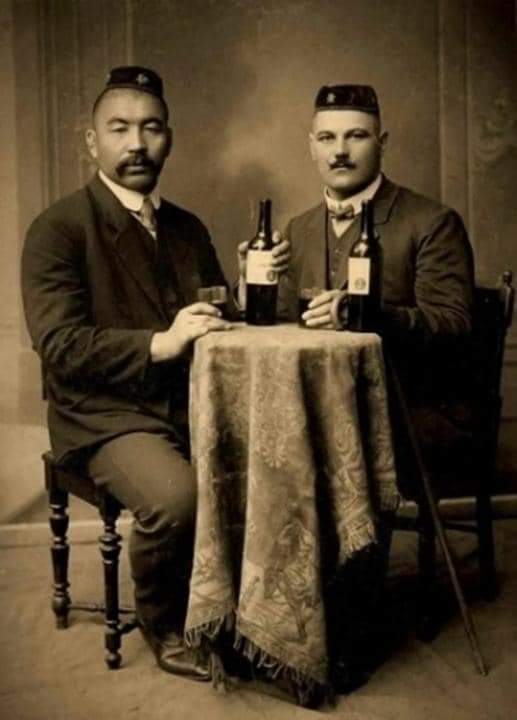
He died in 1948 in the village. Temirlanovka of the Aryss district of the South Kazakhstan region. In 1980, a memorial museum of Kazhymukan Munaitpasov was opened in the South Kazakhstan region. Since 1986, international tournaments in classical wrestling have been held for the prize after Kazhymukan Munaitpasov.