Opinions of foreign citizens about Abu Nasr Muhammad Al-Farabi
𝑯𝒐𝒏𝒐𝒖𝒓𝒂𝒃𝒍𝒆 𝑴𝒂𝒅𝒂𝒎𝒆 𝑵𝒅𝒊𝒍𝒆𝒌𝒂 𝑴𝒂𝒏𝒅𝒆𝒍𝒂, 𝑭𝒐𝒖𝒏𝒅𝒆𝒓 & 𝑪𝑬𝑶, 𝑻𝒉𝒆𝒎𝒃𝒆𝒌𝒊𝒍𝒆 𝑴𝒂𝒏𝒅𝒆𝒍𝒂 𝑭𝒐𝒖𝒏𝒅𝒂𝒕𝒊𝒐𝒏, 𝑷𝒉𝒊𝒍𝒂𝒏𝒕𝒉𝒓𝒐𝒑𝒊𝒔𝒕, 𝑺𝒐𝒄𝒊𝒂𝒍 𝑨𝒄𝒕𝒊𝒗𝒊𝒔𝒕, 𝑯𝒊𝒎𝒂𝒏𝒊𝒕𝒂𝒓𝒊𝒂𝒏 𝑱𝒐𝒉𝒂𝒏𝒏𝒆𝒔𝒃𝒖𝒓𝒈, 𝒕𝒉𝒆 𝑹𝒆𝒑𝒖𝒃𝒍𝒊𝒄 𝒐𝒇 𝑺𝒐𝒖𝒕𝒉 𝑨𝒇𝒓𝒊𝒄𝒂
On behalf of the Mandela's Family, as the first grandchild of the late Former First Democratic President Nelson Mandela of the Republic of South Africa, I have the honour to extend my sincere felicitations and best wishes to the Kazakhstan People and Government on the 1150t Jubilee of Abu Nasr Al-Farabi (great medieval scholar, philosopher and educator, who was born in Central Asia (Kazakhstan) in 870 AD, commemorated under the auspices of UNESCO throughout 2020 I believe this special anniversary will also be a time for celebration and reflection on the path that the People and Government of Kazakhstan have gone through as a sovereign, Independent Nation.
Al-Farabi, was truly a man way ahead of his times, like a true visionary. His ideas from philosophy, to politics to education to religion are still relevant in our times as they were back in ancient times.
His ability to adopt and adapt Greek philosophy into his own context is what is needed globally, the adoption and adaptation of ancient history and culture to modern times.
We are who we were.
I hope this book and his work can be translated into different languages as to benefit the entire global village. I therefore congratulate Ambassador Kanat Tumysh of Kazakhstan and his team for their significant work on this important track.
I have no doubt that the historical role of Al-Farabi will serve as a lasting legacy for future generations.
I personally look forward to immersing myself into his literature.
In 2020 the world community also celebrated the 80th Birthday Anniversary of HE. Mr. Nursultan Nazarbayev, First President of Kazakhstan, Leader of the Nation. The First President is an inspiration to me just like my late Grand Father Nelson Mandela.
The guidance and authority of these extraordinary great leaders are an example and a lesson to other countries, inter alia, throughout the developing world. Elbasy played incredibly unique role for the establishment and development of Kazakhstan as the Independent State. Like my Grand Father, he is the First President, who brought freedom and forged the sustainable development of his own country. President Nazarbayev led Kazakhstan to Independence three decades ago. In the turmoil and uncertainty of the post-Cold War period, he had the wisdom and foresight, and support of the people, to imagine a promising new future for his country and his people, the "values similar to that of my Grand Father, the Late Nelson Rollahla Mandela (Madiba), who prioritised the independent nationhood, improved quality of education and living standards of the marginalised". It is with these thoughts that I am privileged to convey my congratulations and best wishes to the Kazakhstan People and Government on the eve of 1 December, important Kazakhstani public holiday - the Day of the First President.
Today the achievements of Kazakhstan are the envy of many countries around the world, in which the Kazakhstani people take great pride and have every reason to solemnly celebrate its 30th Independence in December 2021. 1, therefore, admire the proud, patriotic, hard-working, and pioneering spirit of Kazakhstanis, as well as their true love for their own nation, and their dedication to the task of building a world-class economy and a developed society. Africa also has much to learn from the experience of Kazakhstan in the maintenance of international peace and security, as well as in the field of humanitarian space and sustainable development. This incredible country is a reliable partner of South Africa and other UN Member States in the quest to make the world a better and more prosperous place for all.
𝑫𝑹 𝑨𝑺𝑨𝑫𝑼𝑳𝑳𝑨𝑯 𝑲𝑨𝑹𝑰𝑴𝑶𝑽
𝑯𝒐𝒔 𝑪𝒐𝒏𝒔𝒖𝒍𝒕𝒂𝒏𝒕 𝒐𝒇 𝒕𝒉𝒆 𝑬𝒎𝒃𝒂𝒔𝒔𝒚 𝒐𝒇 𝒕𝒉𝒆 𝑹𝒆𝒑𝒖𝒃𝒍𝒊𝒄 𝒐𝒇 𝑲𝒂𝒛𝒂𝒌𝒉𝒔𝒕𝒂𝒏 𝒕𝒐 𝒕𝒉𝒆 𝑹𝒆𝒑𝒖𝒃𝒍𝒊𝒄 𝒐𝒇 𝑺𝒐𝒖𝒕𝒉 𝑨𝒇𝒓𝒊𝒄𝒂, 𝑺𝒄𝒊𝒆𝒏𝒕𝒊𝒔𝒕, 𝑷𝒉𝒊𝒍𝒐𝒔𝒐𝒑𝒉𝒆𝒓, 𝑬𝒅𝒖𝒄𝒂𝒕𝒐𝒓, 𝑶𝒓𝒊𝒆𝒏𝒕𝒂𝒍𝒊𝒔𝒕, 𝑻𝒉𝒆𝒐𝒍𝒐𝒈𝒊𝒔𝒕, 𝑨𝒓𝒂𝒃𝒊𝒔𝒕, 𝑭𝒂𝒓𝒂𝒃𝒊𝒕𝒊𝒔𝒕, 𝑯𝒆𝒂𝒅 𝒐𝒇 𝑰𝒏𝒕𝒆𝒓𝒏𝒂𝒕𝒊𝒐𝒏𝒂𝒍 𝑲𝒏𝒐𝒘𝒍𝒆𝒅𝒈𝒆 𝑭𝒐𝒖𝒏𝒅𝒂𝒕𝒊𝒐𝒏 - 𝑺𝒐𝒖𝒕𝒉 𝑨𝒇𝒓𝒊𝒄
By observing the opinions of great scholars, such as Abu Nasr Al-Farabi, Ar-Raghib Al-Isfahani and others, regarding the purpose of human life in particular, and the condition of the society in general, we may conclude that mankind must fulfil the following purpose:
• To worship The Creator, The Almighty Allah alone, without any sort of association to Him.
• To establish a perfect system of living for every person and the
community at large.
• To obey and follow the command of The Creator constantly in one's life, as per human ability, and create a perfect state.
Abu Nasr Al-Farabi, in his book, On the Need to Strive for an Excellent State (Principles of the Views of the Inhabitants of the Excellent State), also titled The Perfect State, discusses many important topics, such as the existence of the Creator, the creation of the universe, the soul of humankind, the fundamentally correct behaviour of human beings and the importance of communication amongst people and in society.
Al-Farabi was in the opinion that the most important part of the human body is the heart. Furthermore, he explains that every individual should purify his heart form all types of evil and beautify it with honourable manners and qualities such as understanding, intelligence and acumen, eloquence, love of knowledge, chastity, honesty, generosity, justice, courage and more qualities. It is through the purification of the heart that one acquires leadership qualities.
It is therefore essential for every person in society, especially the youth to study and learn the academic work of great historical personalities, such as Abu Nasr Al-Farabi and others, so that they may acquire noble qualities that are beneficial to supporting the needs of those less fortunate and vulnerable members of community.
𝑴𝑹 𝑨𝑩𝑫𝑼̈𝑳𝑨𝒁𝑰𝒁 𝑽𝑰𝑮𝑰𝑻
𝑫𝒊𝒓𝒆𝒄𝒕𝒐𝒓, 𝑱𝒐𝒉𝒂𝒏𝒏𝒆𝒔𝒃𝒖𝒓𝒈 𝒀𝒖𝒏𝒖𝒔 𝑬𝒎𝒓𝒆 𝑰𝒏𝒔𝒕𝒊𝒕𝒖𝒕𝒆 & 𝑻𝒖𝒓𝒌𝒊𝒔𝒉 𝑪𝒖𝒍𝒕𝒖𝒓𝒂𝒍 𝑪𝒆𝒏𝒕𝒓𝒆 - 𝑺𝒐𝒖𝒕𝒉 𝑨𝒇𝒓𝒊𝒄𝒂, 𝑪𝒖𝒍𝒕𝒖𝒓𝒐𝒍𝒐𝒈𝒊𝒔𝒕 (𝑶𝒓𝒊𝒆𝒏𝒕𝒂𝒍 𝑺𝒕𝒖𝒅𝒊𝒆𝒔), 𝑷𝒉𝒊𝒍𝒐𝒍𝒐𝒈𝒊𝒔𝒕-𝑻𝒖𝒓𝒌𝒐𝒍𝒐𝒈𝒊𝒔𝒕, 𝑱𝒐𝒉𝒂𝒏𝒏𝒆𝒔𝒃𝒖𝒓𝒈, 𝒕𝒉𝒆 𝑹𝒆𝒑𝒖𝒃𝒍𝒊𝒄 𝒐𝒇 𝑺𝒐𝒖𝒕𝒉 𝑨𝒇𝒓𝒊𝒄𝒂
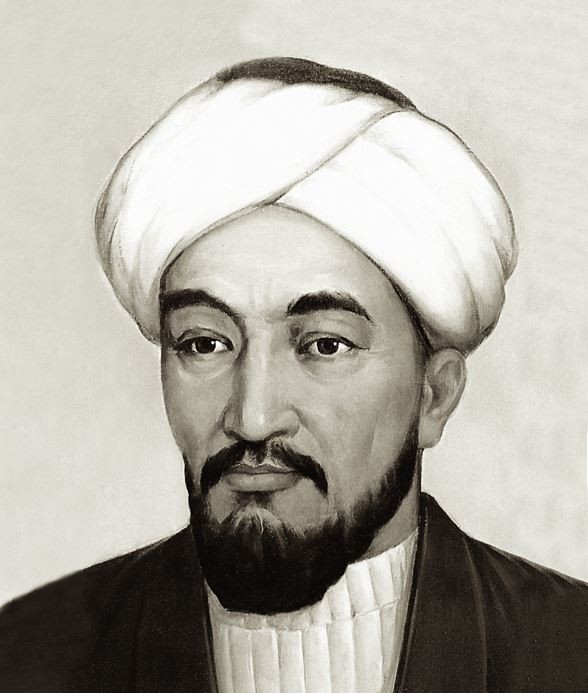
Al-Farabi was one of the most prolific philosophers of the Islamic Golden Age and Islamic Renaissance. He would come to be known as "The Second Teacher" after Aristotle, "The First Teacher". He was also a common philosopher of the Turkic world.
The great scholar Al-Farabi served as a tremendous source of aspiration. His ideas and contributions paved the way in the world for future philosophers and intellectuals.
His thoughts advise us of the wellbeing and good behaviours which may be beneficial among the human society. Hence, everything has consequences and for every action has a reaction.
As to my understanding of Chapter VII, "The good will be compensated; the bad will be punished."
His ideas and concepts are important in today's world because it can help to insure unity and harmony amongst humankind. In order to for us to be at peace with ourselves and the societies of the world, we should learn from the teachings of great philosophers like Al-Farabi and Yunus Emre.
𝑴𝑹 𝑺𝑼𝑳𝑬𝑴𝑨𝑵 𝑲𝑯𝑨𝑵
𝑷𝒓𝒊𝒏𝒄𝒊𝒑𝒂𝒍, 𝑨𝒍 𝑮𝒉𝒂𝒛𝒂𝒍𝒊 𝑪𝒐𝒍𝒍𝒆𝒈𝒆 𝑬𝒓𝒂𝒔𝒎𝒊𝒂, 𝑪𝒆𝒏𝒕𝒖𝒓𝒊𝒐𝒏, 𝑷𝒓𝒆𝒕𝒐𝒓𝒊𝒂, 𝑺𝒐𝒖𝒕𝒉 𝑨𝒇𝒓𝒊𝒄𝒂
Abu Nasr Al-Farabi has stated that: "If you want to see the future of a country, look at its youth". This statement brings into sharp focus the dynamic and evolving nature of education. Ultimately, the purpose of education should be transformative where skills, knowledge, attitudes and values form the bedrock of our schooling system.
The survival and usefulness of our youth will therefore be dependent on an education based on a holistic paradigm where all aspects of development are given due attention.
Those who are charged with education should ensure that what is taught at places of learning are fit for purpose. The youth must be equipped with skills that are relevant to succeed in a new world order.
𝑴𝑺 𝑺𝑼𝑺𝑨𝑵 𝑵𝑶𝑽𝑬𝑳𝑨
𝑭𝒐𝒖𝒏𝒅𝒆𝒓 & 𝑪𝑬𝑶, 𝑻𝒉𝒆 𝑫𝒊𝒑𝒍𝒐𝒎𝒂𝒕𝒊𝒄 𝑰𝒏𝒇𝒐𝒓𝒎𝒆𝒓 𝑴𝒂𝒈𝒂𝒛𝒊𝒏𝒆 𝑺𝑨
Celebrating the 1150th anniversary of the birth of outstanding scientist, philosopher, and educator Abu Nasr Muhammad ibn Tarkhan in Uzlag Al-Farabi At-Turki, Alpharabius (c870 - 950), is right and fitting.
The renowned Turkic philosopher, mathematician, and musician, who is credited with creating the first comprehensive Arabic classification of the sciences, is still regarded as one of Islam's greatest philosophers of the Middle Ages.
This book titled "On the Need to Strive for an Excellent State" (the "Perfect State") celebrates this great medieval thinker.
Al-Farabi had a great desire to understand the universe and humankind, and to know the latter's place within the former, to reach a comprehensive intellectual picture of the world and society. The book lays bare the multifaceted life story of this cosmologist, music scholar, and translator who wrote in fields that included politology, mathematics, chemistry, history, psychology, metaphysics, ethics, and logic.
Al-Farabi mastered dozens of languages and translated many ancient treatises into Arabic from Greek and Latin. Indeed, Al-Farabi is an inspiration in South Africa and the rest of the world. Al-Farabi promoted ideas of humanism and dialogue. The core of his philosophy was the unity of society and the State. Moreover, he is credited with saving the works of great philosophers - Aristotle, Plato, and others from medieval oblivion.
Education was one of the most important social phenomena in Al-Farabi's philosophical system. He was concerned with the human soul.
Al-Farabi wanted to make sure that the individual was prepared from in early age to achieve an acceptable level of perfection in their society. The whole activity of education, in Al-Farabi's view, can be summed up as the acquisition of values, knowledge, and practical skills by the individual, within a particular period and a particular culture.
The story of Al-Farabi awakens public consciousness, connects East and West, promotes humanity, spiritual modernisation, and the formation of value guidelines for younger generations. To this day Al-Farabi's philosophies remain valid. These philosophies include the importance mathematics, sciences, experimental method, integration of knowledge, values, and aesthetic taste.