The results of the state audit of the medicine provision system were reviewed in the Mazhilis of the Republic of Kazakhstan
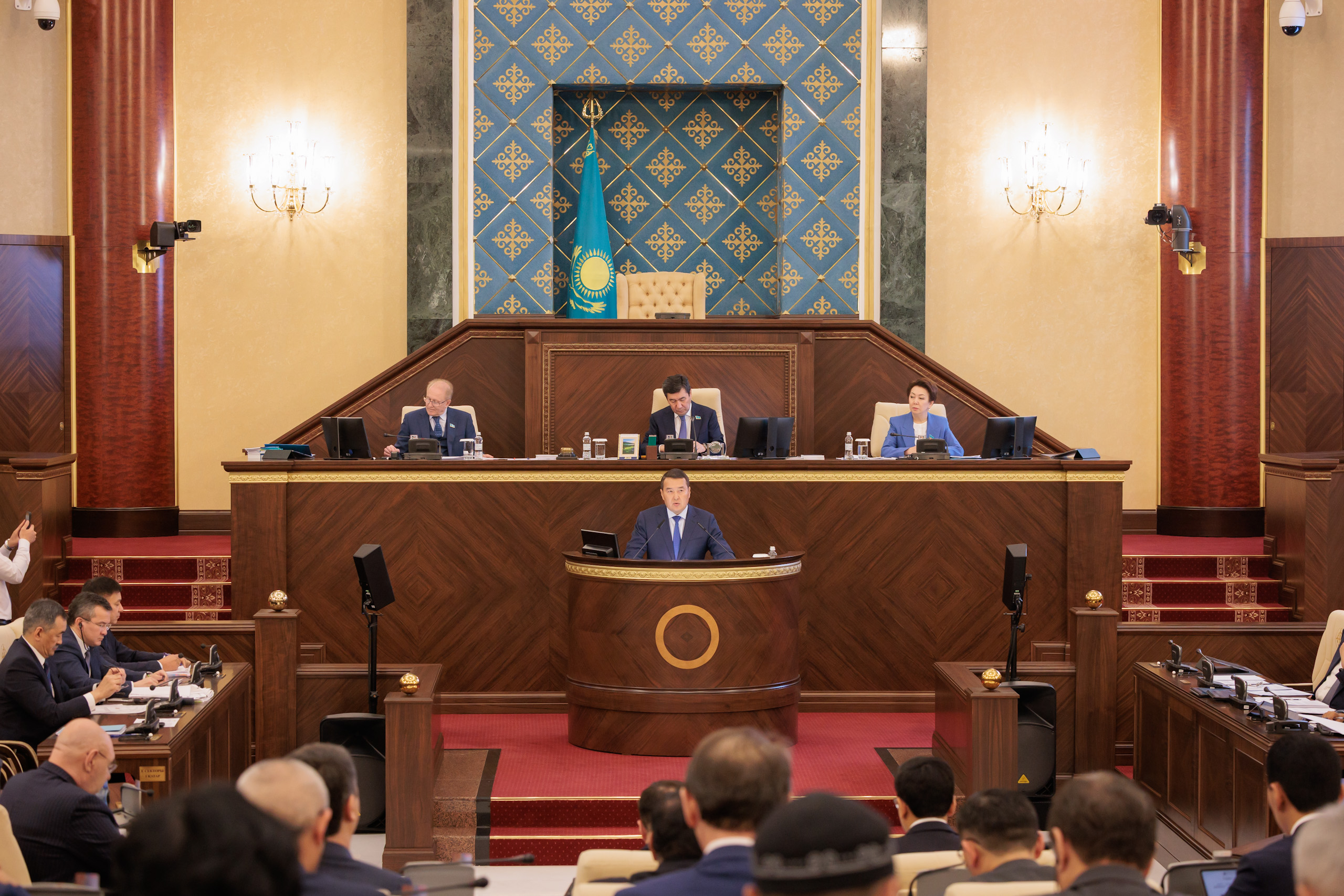
Ensuring the availability and reliability of medicines for citizens is one of the important tasks of the state. At the same time, two consecutive audits in 2024 and 2025 revealed a number of problematic issues and shortcomings in the medicine provision system. They can be traced at all levels – from science and production to normative regulation and organization of the distribution of medicines to the population.
Thus, the volume of the pharmaceutical market of the Republic of Kazakhstan in 2024 amounted to 1.2 trillion tenge, while 84% of it is represented by foreign-made products.
In 2022-2024, the financing of medical science amounted to 58 billion tenge. However, the country still does not have a registration system for biomedical research and a registry of clinical databases.
«The effectiveness of scientific research is extremely low. Over the past 10 years, only 2 original domestic products have been registered. One of them is not included in the National Drug Formulary, although more than 4 billion tenge has been spent on its development,» Alikhan Smailov said.
Over the past three years, the volume of preferences for the pharmaceutical industry has been estimated at 148 billion tenge. The single distributor also enters into long-term contracts with domestic manufacturers, guaranteeing the purchase of products for 10 years. Such purchases have increased from 69 to 112 billion tenge in 5 years.
«Despite this, the range of medicines supplied by domestic companies has almost halved, from 968 to 507. In other words, they are increasing the production of easy - to-manufacture medical products, while the share of medicine actually produced in the country is decreasing,» said the Chairman of the SAC.
At the same time, only 34 companies out of more than 200 operating companies were able to use state support in the form of long-term contracts.
Weak monitoring of localization and investment commitments creates conditions for misuse. Thus, in 2024, a private company supplied the state with 62 million medical gloves worth 8 billion tenge. However, the volume and their characteristics match the batch that the company purchased from Thailand during the same period.
«There is a risk of selling foreign products under the guise of domestic products. Prices for the state overcharged twice. Such schemes not only distort the meaning of the import substitution policy, but also cause direct damage to the state,» Alikhan Smailov emphasized.
He also drew attention to the risks of localizing production. Some companies use cheap and poorly purified raw materials. Without proper control, this can lead to the appearance of low-quality products on the market. For example, medicine purchased for 3 billion tenge from one of the companies were declared unusable and written off.
The audit showed that the introduction of new medicines to the market takes years: for purchase through a Single distributor, the product must go through five lists. Due to artificial restrictions, a significant part of purchases is carried out with the participation of a single supplier. This situation leads to an overestimation of prices.
The price regulation system does not ensure the availability and reasonable cost of medicines. Margins reached 172% on the market and 35% on budget purchases.
«As part of the fulfillment of our instructions, the Ministry of Health has made changes to the Pricing Rules, and the regressive scales of margins have been revised,» said the Chairman of the SAC.
He also pointed out the gaps in the current procedure for examination, registration and supervision. In 2024, the average examination period was 334 days, with a standard of 210 days. In some cases, the duration reached 2.5 years.
The auditors also believe that pharmacovigilance tools are ineffective: out of almost 8,000 reports of side effects, only one medicine has been withdrawn from circulation in 3 years.
Late contracts and disruptions to delivery schedules disrupt the continuity of patient care. In 2022-2024, a single distributor delayed the purchase of 207 and did not purchase 164 medicines as part of outpatient care.
A number of medicines were supplied on a quarterly basis instead of a monthly schedule, which caused shortages and forced patients to buy medicines at their own expense.
In 2024, only 9% of medicines were purchased directly from manufacturers. The distributor also systematically purchased medicines without the «CT-KZ» certificate, which amounted to 258 billion tenge in three years.
Logistics costs have increased by 60% in 3 years, amounting to 11 billion tenge in 2024. This is also reflected in the cost of medicines.
In addition, the audit revealed more than 67,000 cases of expired drugs, which led to their unsuitability and inefficient use of funds. There are also documented cases of prescribing medicines in excess of need, or not provided for by treatment protocols.
The audit showed that prices for the 15 most expensive drugs in the public and market sectors differed by up to 600%. This is mainly due to the fact that medicines intended for free outpatient care are illegally written off and sold in retail.
«Such facts indicate the failure of control systems for the issuance and circulation of medicines,» said Alikhan Smailov.
The domestic healthcare system has adopted 1133 clinical protocols. At the same time, about 70% of them have not been reviewed for 5 to 12 years. This leads to the provision of medical care to the population using outdated medical technologies.
According to the results of two audits, financial violations amounting to 741 million tenge, inefficient use of funds amounting to 32 billion tenge and losses with lost profits amounting to 58 billion tenge were revealed. Materials on 134 cases were submitted for administrative proceedings, and 5 cases were sent to law enforcement agencies.
«The results indicate complex problems in the field of medicine provision. Recommendations have been given to the Government on all identified issues, and the Ministry of Health has received specific instructions. The SAC will regularly monitor how the solution of these problems is progressing,» concluded Alikhan Smailov.