Antikor Almaty strengthens anti-corruption measures in the quasi-public sector
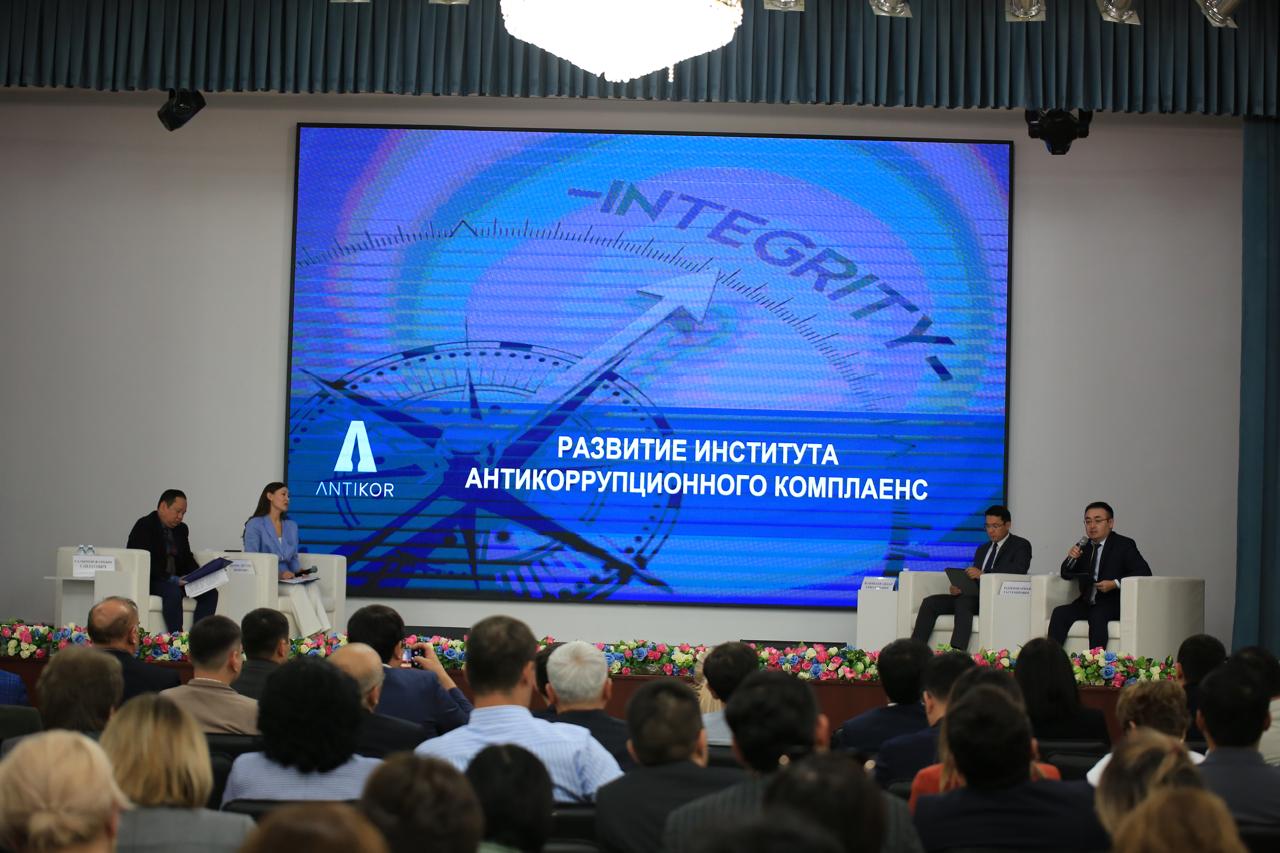
The Anti-Corruption Service of Almaty held a meeting dedicated to strengthening anti-corruption measures in the quasi-public sector. The meeting was attended by heads of quasi-governmental organizations, representatives of government agencies, large national holdings, a branch of the Academy of Public Administration, as well as more than 300 compliance officers.
Opening the event, the head of the Anti-Corruption Service of Almaty, Arman Rakhimov, noted that in order to achieve results in combating corruption in the corporate sector, it is necessary to pay special attention to improving the independence and effectiveness of anti-corruption compliance services.
As practice shows, today a significant part of corruption offenses in the quasi-public sector is related to embezzlement, abuse of authority and violations when signing acts of completed works.
To solve these problems, amendments have been made to the legislation aimed at strengthening responsibility for corruption in the quasi-public sector. In particular, the range of anti-corruption actors has been expanded, a ban on employment in government agencies and the quasi-public sector for persons who have committed corruption crimes has been introduced.
In addition to these measures, since 2020, compliance services have been established in 420 organizations of the quasi-public sector of Almaty, whose activities are aimed at preventing corruption in the corporate sector.
Since the beginning of this year, compliance services have carried out 256 measures to form an anti-corruption culture among labor collectives, solved 10 cases where facts of lobbying the interests of individuals, corruption manifestations, as well as work on the return of assets to state ownership previously transferred to affiliated persons have been established.
Despite the results achieved, it was revealed that a number of organizations limited themselves to creating compliance, or assigning responsibilities to personnel or legal services, which is why the main goals of this new institution have not been achieved.
To remedy the situation, the heads of organizations are recommended to provide full-time positions that directly perform the functions of anti-corruption compliance in accordance with the requirements of the Law "On Combating Corruption", and also consider organizing advanced training courses for compliance officers.
The meeting was held in the format of a discussion, where organizations that have successfully implemented the institute of compliance shared their positive experiences and effective practices with the participants of the meeting.
At the end of the event, the parties expressed confidence that the measures taken will help strengthen the anti-corruption culture and reduce corruption in the quasi-public sector. The Anti-Corruption Service will continue to provide methodological support to compliance services, providing systematic assistance to all organizations in this sector.